Innovative 3D-Printed Sushi Enhances Dining for Elderly Patients in Japan
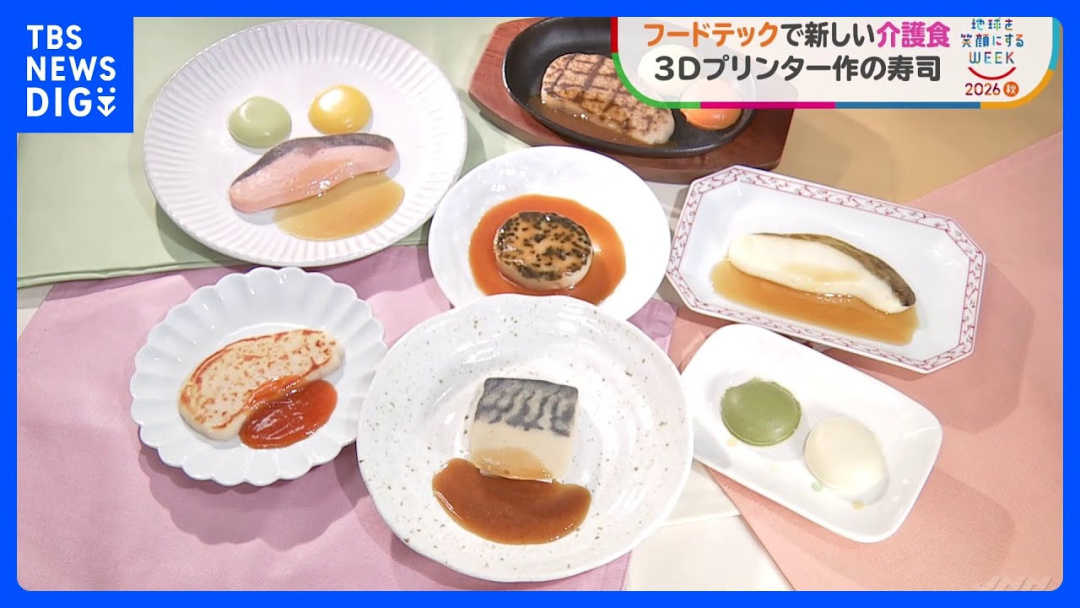
In a groundbreaking initiative, researchers at Yamagata University in Japan are utilizing 3D printing technology to revolutionize nursing care meals. This innovative approach focuses on creating realistic-looking sushi and other dishes that are not only visually appealing but also safe and easy to consume for elderly patients and those with difficulties in chewing or swallowing.
The 3D-printed sushi toppings, including shrimp, are designed to closely resemble their traditional counterparts while being soft enough for individuals with weakened chewing abilities. Unlike the plastic food models often seen outside restaurants, these printed items are entirely edible, providing a familiar dining experience for patients.
Professor Hideaki Furukawa, from the Faculty of Engineering at Yamagata University, highlights the significance of this technology. "Although it looks exactly the same, it is extremely soft. This is a new technology that makes it possible to eat foods in hospitals and other places where eating has been difficult," he explains. This advancement is part of a national research project aimed at improving the accessibility and enjoyment of meals for those who have lost some ability to eat normally.
The research team has also successfully printed broccoli, using a method that involves boiling real broccoli, freezing it with liquid nitrogen, and then crushing it into a powder suitable for 3D printing. This technique is indicative of a broader trend in Japan's food technology sector, which is increasingly focused on enhancing the nutritional value, texture, and visual appeal of nursing care meals.
Reimagining Traditional Dishes for Enhanced Patient Experience
One notable example of this innovation is a dish of mackerel simmered in miso, which has been reimagined to maintain its familiar appearance while being modified for easier consumption. Traditional nursing care meals often involve blending ingredients into a paste, which can strip away their original look and make it challenging for patients to identify what they are eating. In contrast, the new version of the mackerel dish retains its recognizable shape and flavor, significantly improving the dining experience.
At Fujita Health University's Nanakuri Memorial Hospital, a similar philosophy is being applied. Medical staff prepare vegetables and other ingredients in pressure cookers until they are soft enough to be easily crushed with the tongue, ensuring that meals are both visually appealing and easy to eat. Patients have reported that these improvements have made mealtimes more enjoyable, with one stating, "Mealtimes are when I feel relaxed. The food is delicious."
Transforming Mealtime for Japan's Elderly Population
The emphasis on presentation is crucial, as it helps patients recognize familiar dishes, thus enhancing their appetite. Family members have expressed appreciation for the visual appeal of the meals, noting that the colors and textures play a significant role in the eating experience. Kaoru Horiuchi, a registered dietitian at the hospital, emphasizes that visual presentation is vital, stating, "Color is one of the first things people notice. If meals are delicious, less food will be thrown away."
With Japan's aging population increasing the demand for specialized nursing care meals, these advancements in food technology could provide new solutions to support elderly individuals and patients with swallowing difficulties. By combining advanced manufacturing techniques with thoughtfully designed meals, researchers and healthcare professionals aim to improve nutrition, reduce food waste, and restore the joy of eating, ultimately enhancing the quality of life for patients.