Japan Sushi Day Celebrated with Educational Exhibition in Yangon
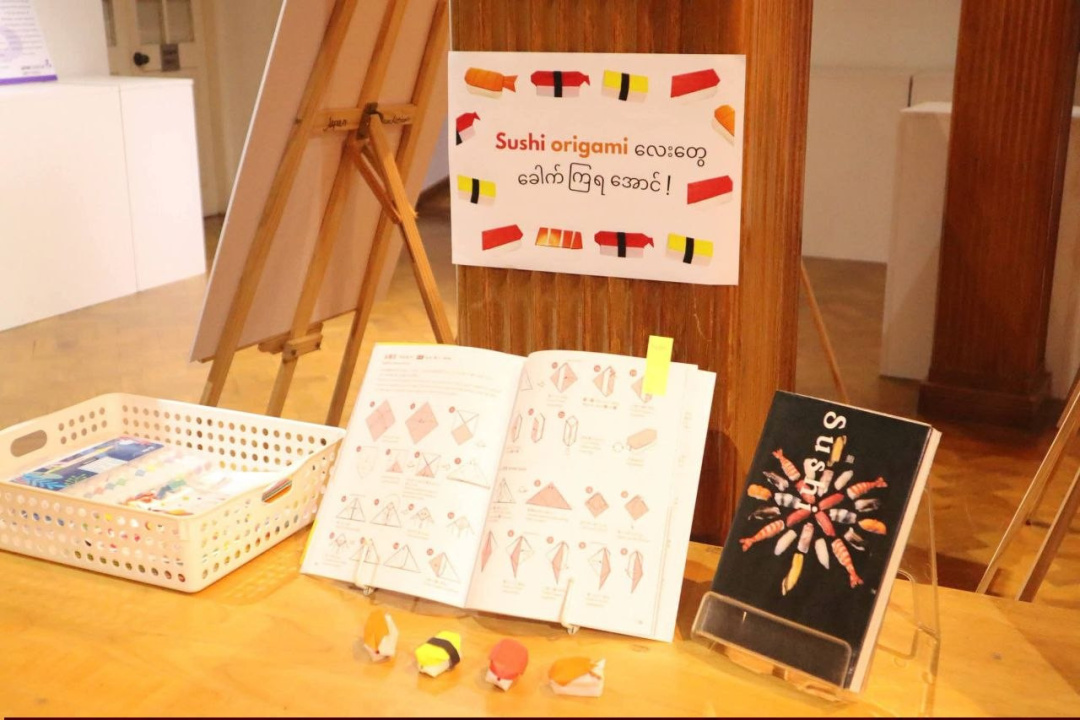
The Japan Foundation, Yangon (JFYG), is hosting an educational exhibition to commemorate Japan Sushi Day, which is part of its ongoing series of Japanese cultural exhibitions. Since 1961, the All-Japan Sushi Business Environmental Health Trade Association Federation has officially recognized November 1 as National Sushi Day. This date was chosen because it coincides with the harvest season for new crops, particularly rice, and the peak fat content of seafood, making it the perfect time to enjoy sushi at its best. Additionally, the date honors a historical event depicted in Japanese Kabuki theatre, where the commander Taira no Koremori adopted the name Sushi Chef Yasuke.
The exhibition includes informative displays that delve into the history and cultural significance of Sushi Day, providing attendees with a deeper understanding of this beloved dish. Visitors can also participate in hands-on sushi origami activities, allowing them to create their own paper souvenirs while learning about the traditional Japanese art of origami. This interactive element adds a unique touch to the event, making it not just educational but also a fun experience for all ages.
Located at 70, Natmauk Lane 1, near the Byaing Yaeohzin bus stop in Bahan Township, Yangon, the Japan Foundation Culture Centre is open to the public from Tuesday to Saturday, between 9:30 am and 3:30 pm. This event not only celebrates sushi but also promotes a greater appreciation for Japanese culture and culinary traditions, inviting the community to engage with the rich heritage of Japan through food.
The Cultural Significance of Sushi Day
The significance of National Sushi Day extends beyond just a culinary celebration; it reflects the importance of seasonal ingredients and the artistry involved in sushi-making. As sushi continues to gain popularity worldwide, events like this play a crucial role in preserving and promoting the cultural practices surrounding this iconic dish.
Cultural Engagement Through Culinary Arts
By hosting such exhibitions, the Japan Foundation fosters cultural exchange and understanding, encouraging locals to explore the nuances of Japanese cuisine. The hands-on activities not only provide entertainment but also serve as a bridge connecting people to the traditions and stories behind sushi. As participants create their origami pieces, they engage with the cultural narratives that enrich the sushi experience, making it a memorable event for all involved.
In conclusion, the educational exhibition for Japan Sushi Day at the Japan Foundation in Yangon is a vibrant celebration of sushi that highlights its cultural significance and invites community participation. Events like these are essential for keeping culinary traditions alive and fostering appreciation for the art of sushi-making among new generations.