The Rise of Instant Ramen: A Closer Look at Its Nutritional Value

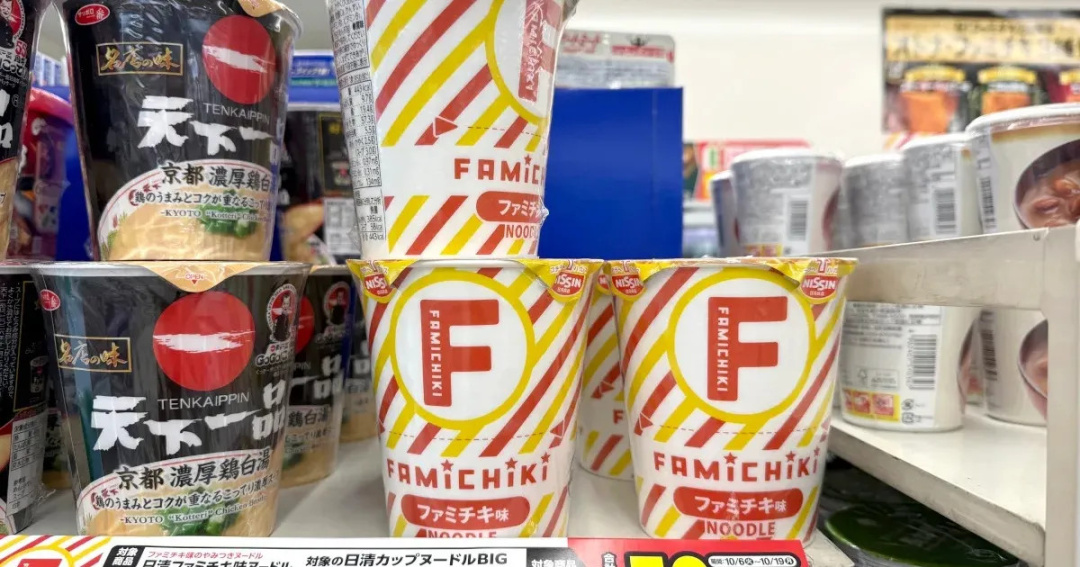
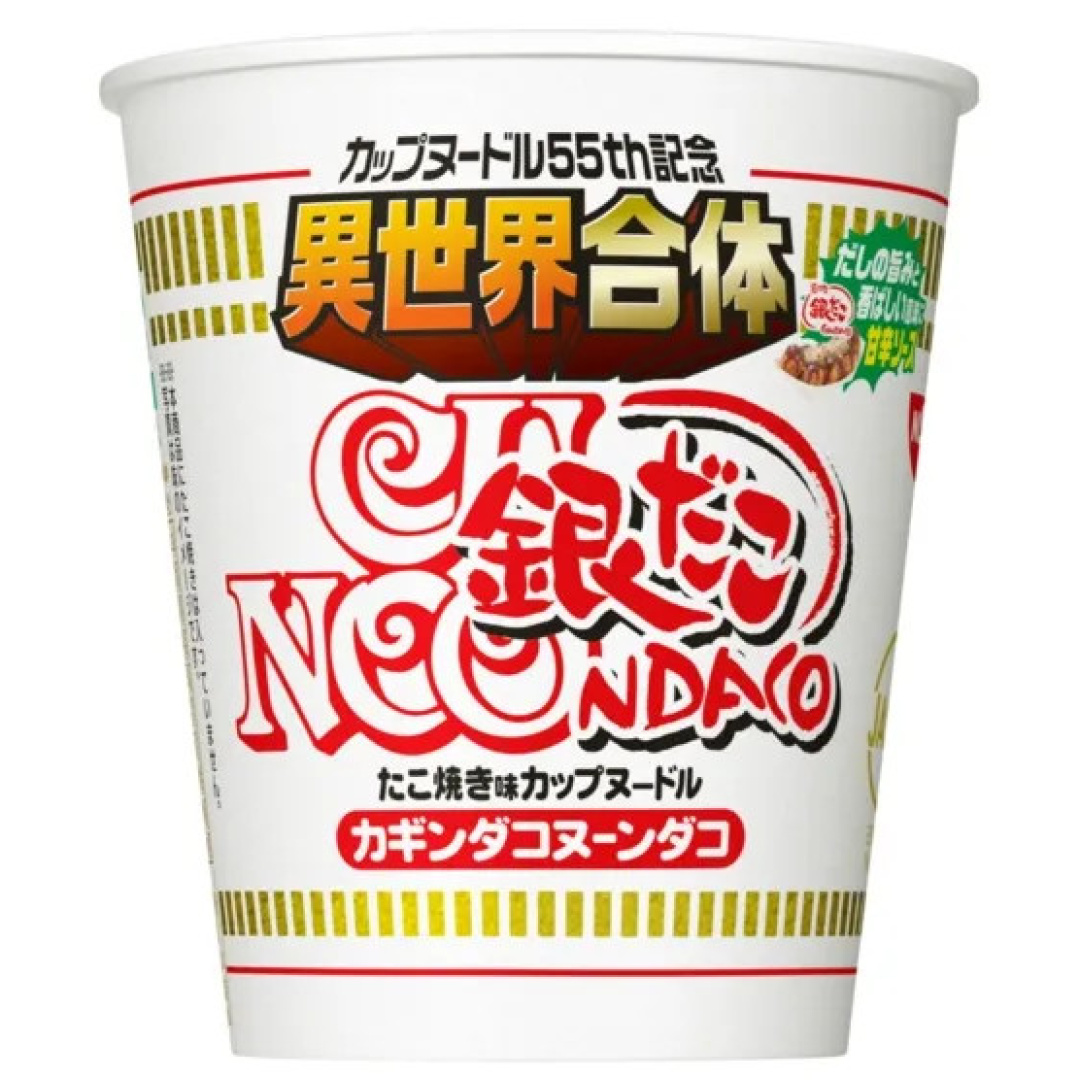
Instant ramen has undergone a significant transformation, evolving from a simple, budget-friendly meal into a trendy culinary option with a variety of flavors available in supermarkets. Once considered a staple for students, instant noodles now boast flavors such as Korean kimchi, Japanese miso, and Thai tom yum, appealing to a broader audience. Sales of instant noodles have surged, with a reported 50% increase on Ocado's website, while searches for ramen have risen by 35%. This shift reflects a growing appreciation for instant ramen as a versatile ingredient in gourmet cooking, with enthusiasts sharing their creative bowls on social media, often topped with ingredients like soft-boiled eggs and fresh vegetables.
Despite its newfound popularity, many instant ramen products still contain high levels of sodium and unhealthy additives. Experts have raised concerns about the nutritional value of these noodles, which often lack essential nutrients such as protein and fiber. A typical 85g packet of instant noodles can contain around 350 to 400 calories, with significant amounts of fat and sodium, which can pose health risks if consumed excessively. For instance, some popular varieties contain more than half of the recommended daily salt intake in just one serving, raising concerns about their impact on blood pressure and heart health.
The origins of instant ramen trace back to Japan in 1958, created by Momofuku Ando to provide a quick and affordable meal option. The product has since become a global phenomenon, with various brands and flavors available worldwide. The convenience of instant ramen, which can be prepared in just a few minutes, makes it an attractive option for those with busy lifestyles. However, the nutritional profile varies widely among brands, with some offering richer, creamier options that can be higher in calories and fat.
Experts emphasize that while instant ramen can be a quick meal solution, it should not be viewed as a complete meal. To enhance its nutritional value, they recommend adding ingredients such as eggs, tofu, or a variety of vegetables. This not only increases the fiber and protein content but also introduces essential vitamins and minerals. For example, incorporating vegetables like pak choi, spinach, or mushrooms can significantly improve the dish's overall health benefits.
Transforming Ramen into a Healthier Meal
Moreover, individuals can reduce the sodium content by using less of the seasoning sachet or opting for fresh herbs and spices to flavor their ramen. By making simple adjustments, instant ramen can be transformed into a more balanced meal option.
Nutritional Enhancements for Instant Ramen
In summary, while instant ramen remains a convenient and affordable food choice, it's essential to be mindful of its nutritional limitations. With thoughtful additions, it can serve as a nutritious base for a satisfying meal, but moderation is key to maintaining a healthy diet.
To make instant ramen a more nutritious meal, consider adding protein-rich ingredients like chicken or tofu, and a variety of colorful vegetables. This approach not only boosts the meal's nutritional profile but also enhances its flavor and texture. By being creative with toppings and ingredients, instant ramen can be a satisfying and healthy option for any meal of the day.