Exploring the Global Roots of Popular Indian Dishes
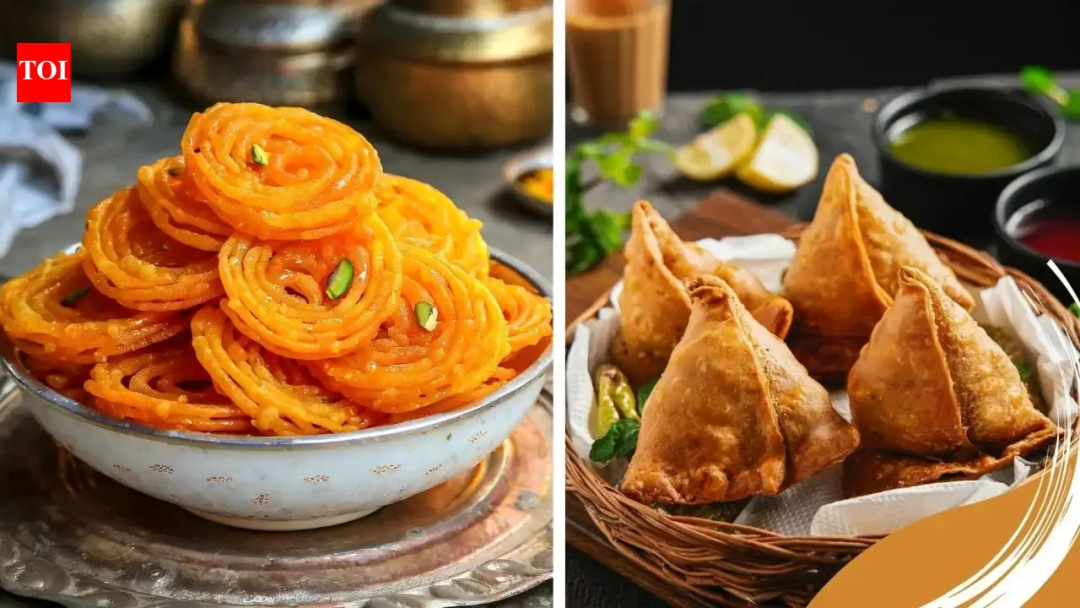
Indian food is celebrated for its bold flavors, fragrant spices, and incredible variety. However, many food lovers might be surprised to learn that some dishes that are now considered quintessentially Indian actually have roots outside the country. Over centuries, travelers, traders, and various communities have brought their culinary traditions to the Indian subcontinent. Indian cooks adapted these recipes, incorporating local ingredients and creating versions that eventually became household favorites. Here are five popular foods with intriguing origins beyond India.
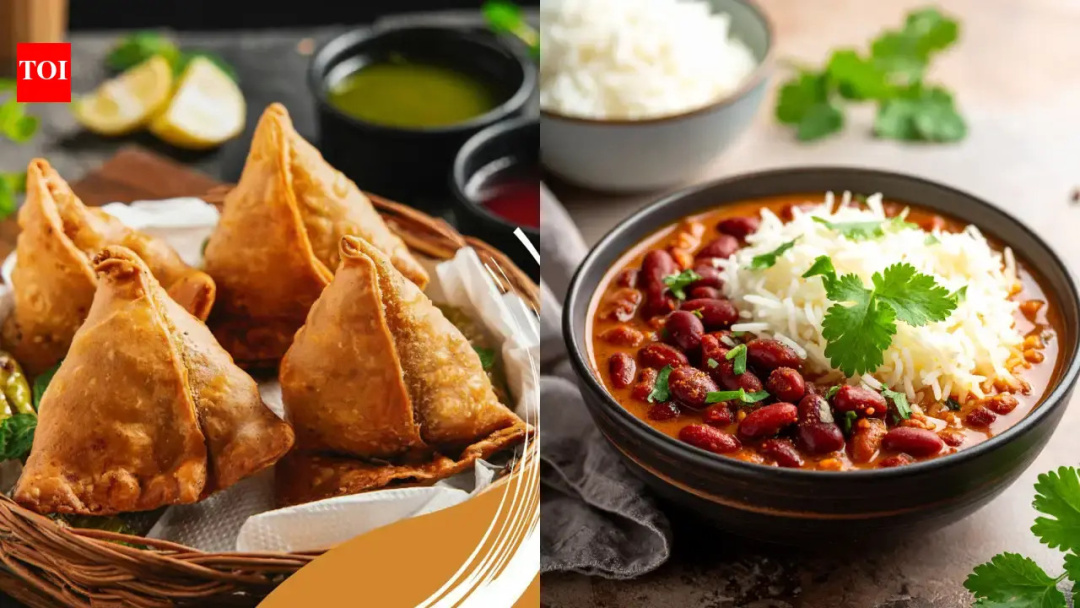
It is difficult to imagine an Indian evening snack menu without samosas. However, this crispy, triangular snack did not originate in India. Its early forms are believed to have traveled from Central Asia and the Middle East, where stuffed pastries were popular. Known by different names, these savory snacks eventually made their way to the Indian subcontinent. The potato-filled version that is so popular today became a familiar favorite much later, showcasing how culinary traditions can evolve and adapt over time.
The jalebi might be a regular feature at Indian weddings, festivals, and sweet shops, but its roots can be traced to West Asia. A similar sweet called zalabiya was prepared in the region and eventually traveled to India. Over time, the recipe evolved, with fermented batter being shaped into spirals, fried, and soaked in sugar syrup. Today, it is difficult to imagine an Indian festive spread without it, underscoring how this dessert has become a beloved part of Indian culture.
Biryani is often associated with Indian royal kitchens, but its culinary history has strong connections with Persian and Central Asian food traditions. The word itself is linked to the Persian word birian. The dish developed further in the Indian subcontinent, where regional cooks introduced local spices, cooking methods, and ingredients. This is how different versions, from Hyderabadi biryani to Kolkata biryani, became popular, each reflecting the unique culinary landscape of the regions they come from.
Tracing the Origins of Naan in Indian Cuisine
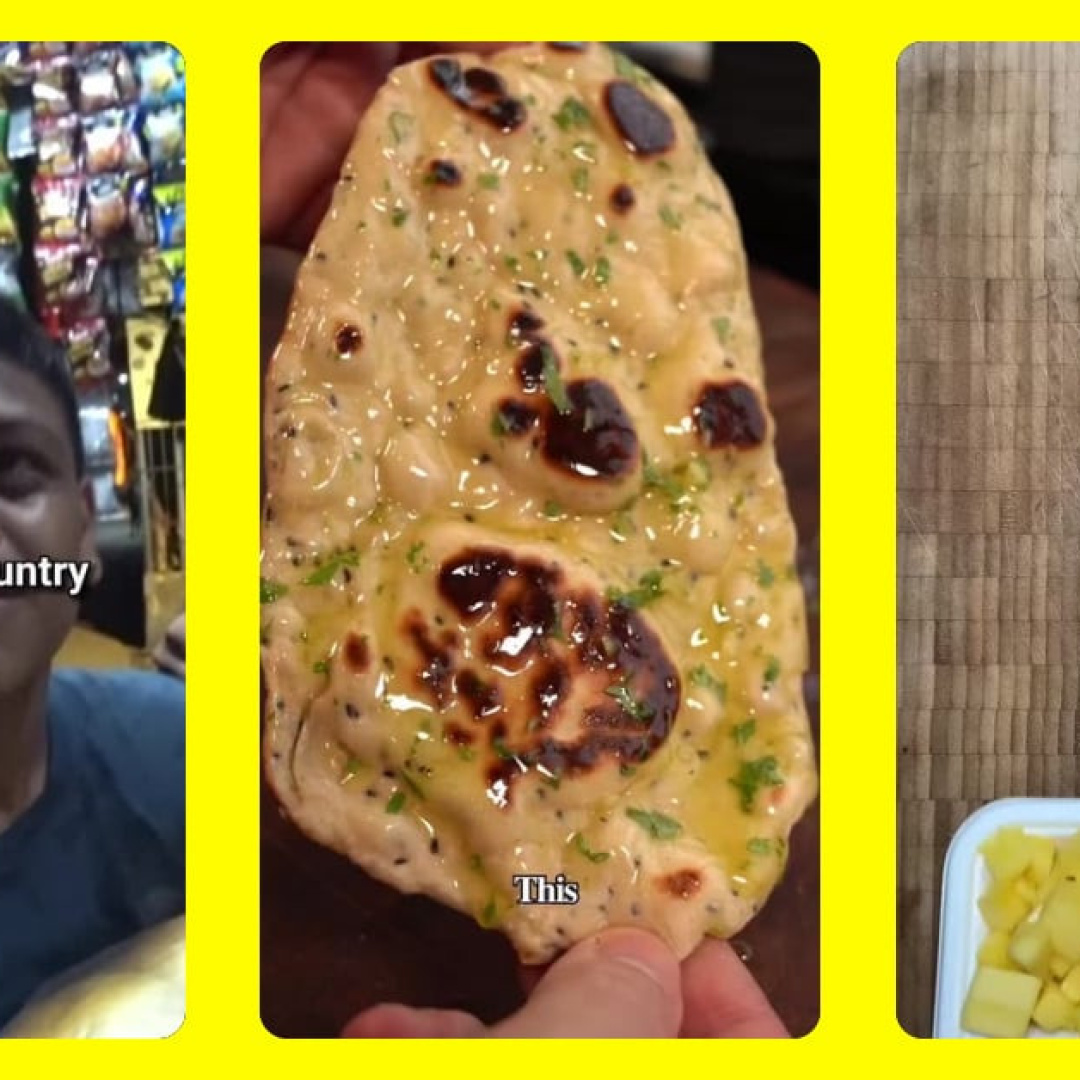
Soft, fluffy naan is a familiar companion to Indian curries, but the bread has connections with Persian and Central Asian culinary traditions. Similar flatbreads were prepared in these regions before becoming popular in the Indian subcontinent. Over time, naan became a staple in North Indian restaurants, with variations such as butter naan, garlic naan, and stuffed naan finding their own fans.
The Cultural Journey of Gulab Jamun and Its Significance
A favorite at celebrations, gulab jamun has a fascinating history beyond Indian kitchens. It is commonly associated with Persian and Middle Eastern sweet-making traditions, with influences from sweets such as luqmat al-qadi. The Indian version developed its own identity through the use of khoya, fried dough balls, and fragrant sugar syrup. Today, it is one of the country's most recognizable desserts, illustrating how culinary exchanges can lead to the creation of new traditions.
The evolution of these dishes highlights the dynamic nature of culinary traditions and how they can transcend borders. As Indian cuisine continues to evolve, it remains a testament to the rich tapestry of influences that shape it, making it a vibrant and ever-changing landscape of flavors and techniques.