Food Faux Pas Around the World: A Culinary Exploration

Culinary practices differ significantly around the globe, leading to a variety of food faux pas that can provoke strong reactions. In the United States, the diverse culinary landscape means that while sanitation is universally important, what constitutes a food crime can vary widely from person to person. For instance, one individual recounted a humorous experience with a mother-in-law who insists on serving toasted bread that ends up cold and limp by dinner time.
In Spain, the topic of sangria often arises, with locals preferring tinto de verano instead. This highlights how regional preferences can shape perceptions of acceptable food and drink. Similarly, in Canada, the addition of shredded mozzarella cheese on poutine has sparked debate among purists who argue for traditional toppings.
Cultural customs also dictate how certain dishes are served. In some regions, the lamb's head is considered the most prestigious part of the animal, reserved for the most honored guest, while in others, it is given to the youngest guest to carve. This hierarchy extends to other cuts of meat, with specific roles assigned based on age and social status during family gatherings.
The sharing of chicken at family dinners also carries significance, with girls receiving wings symbolizing freedom and boys receiving drumsticks, representing stability. Such traditions reflect deeper cultural meanings behind food.
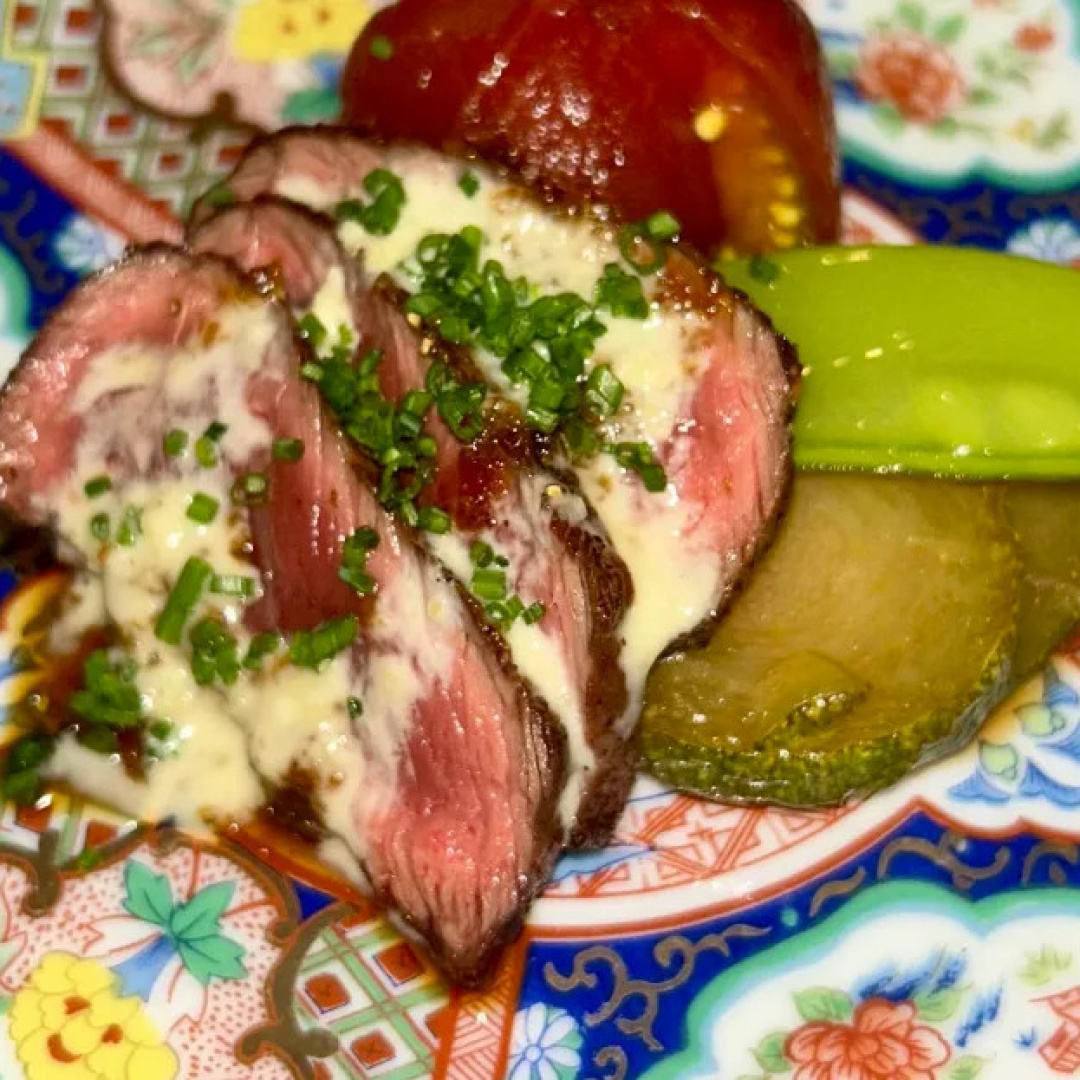
Condiments can also be a source of contention. One person shared their experience of a friend who brought ketchup to a carefully prepared steak dinner, leading to a decision not to cook for her again. This illustrates how personal preferences can clash with culinary expectations.
In the UK, the way scones are served can vary based on regional traditions, with some preferring to cut them in half and others opting for a different method. Additionally, the preparation of tzatziki is strictly regulated in some cultures, with specific ingredients deemed acceptable, while others are not. This underscores the importance of adhering to local customs when it comes to food preparation and presentation.
These anecdotes reveal the rich tapestry of culinary traditions worldwide, emphasizing the need for cultural sensitivity and understanding when sharing meals across different backgrounds.