Richard Feynman's Dining Dilemma Explored in New Research
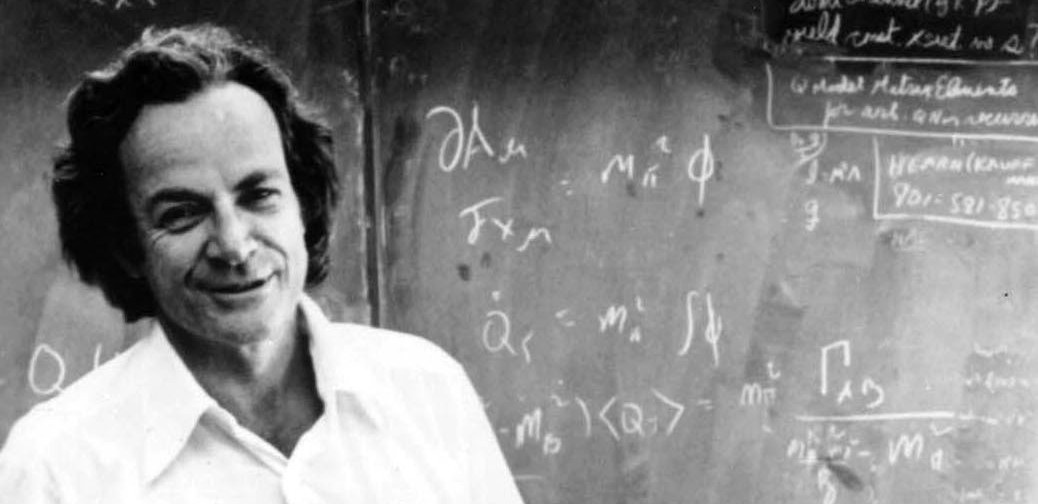
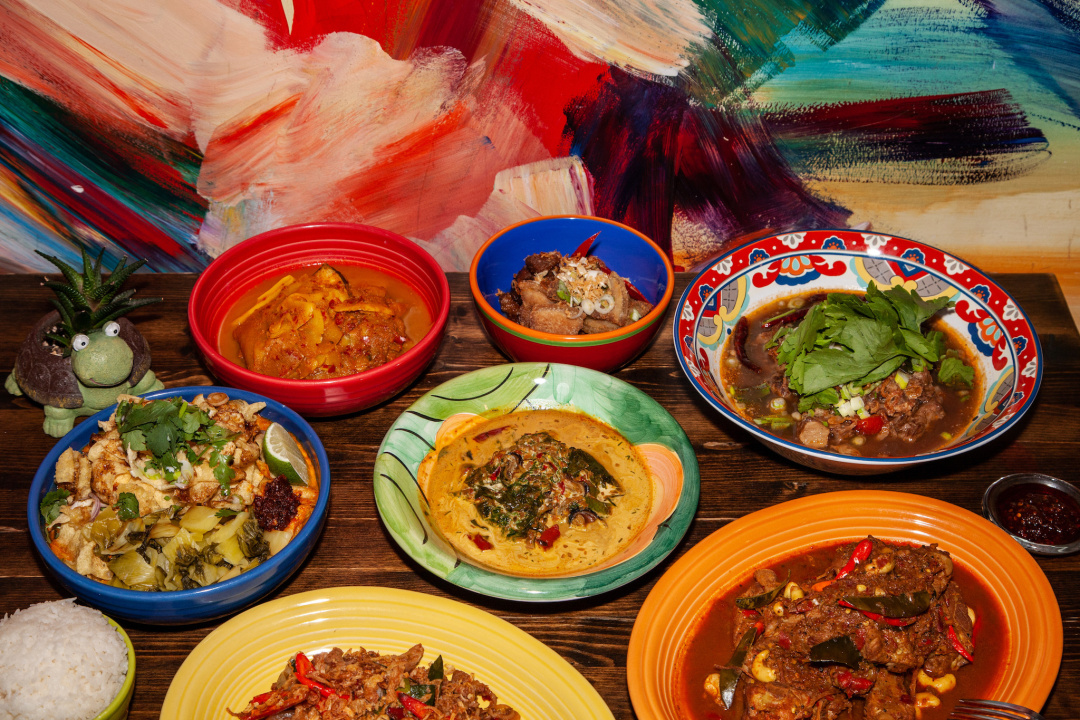
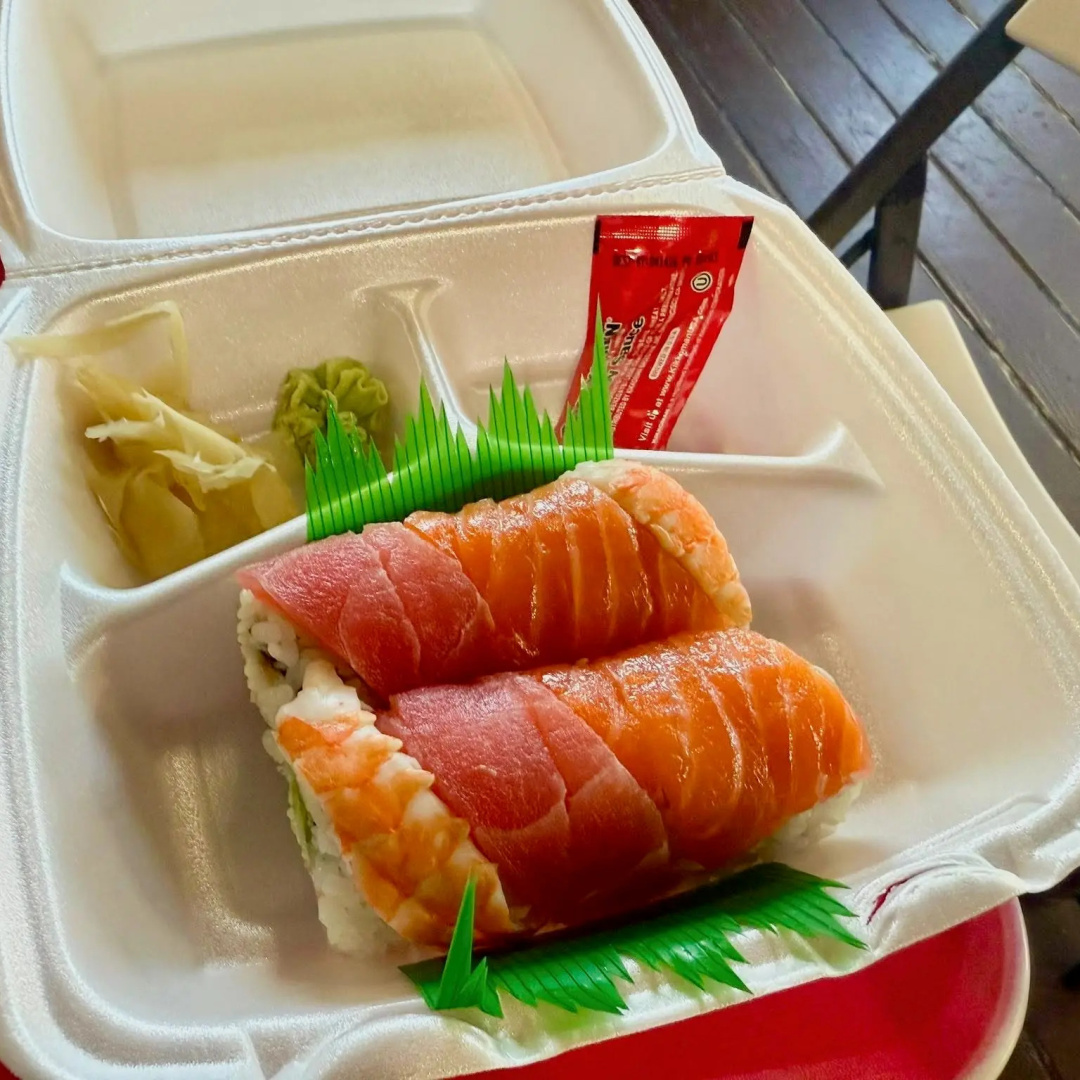
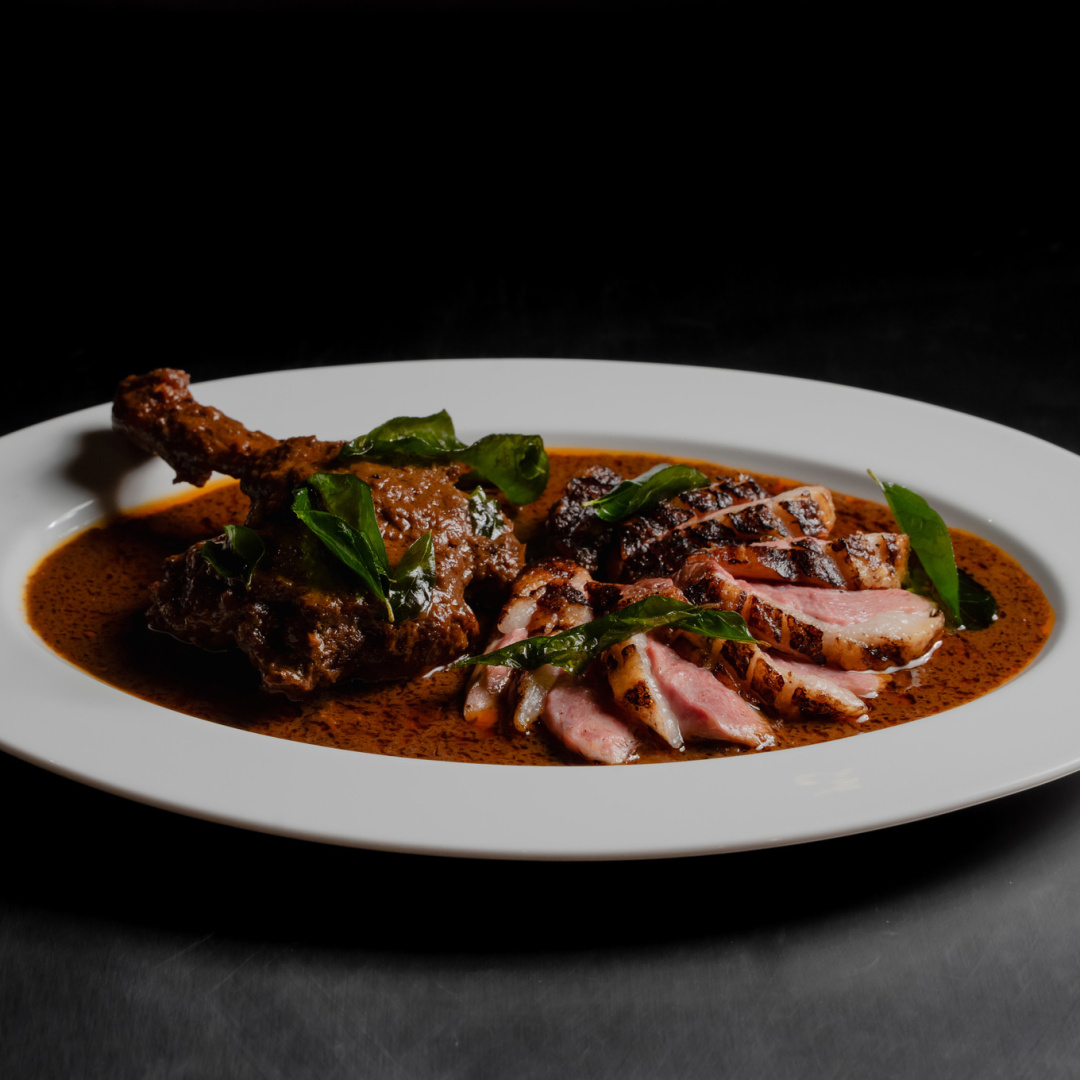
In the late 1970s, renowned physicist Richard Feynman visited a Thai restaurant in Glendale, California, with his friend Ralph Leighton. During their lunch, Leighton faced a dilemma: should he stick with his favorite dish, ginger chicken, or venture into uncharted culinary territory? Feynman quickly devised a mathematical solution, suggesting that if the ginger chicken didn’t exceed a certain threshold of enjoyment, Leighton should opt for something new. However, as time passed, this threshold evolved, leading to a more cautious approach on Leighton's final visit, where he favored familiar flavors over risky choices.
Leighton preserved Feynman's notes, but the mathematical reasoning behind them remained a mystery for 50 years. Recently, a team of researchers led by Berkeley computational cognitive scientist Brian Christian has successfully decoded Feynman’s argument, publishing their findings in the Proceedings of the National Academy of Sciences. Their research included an experiment with 2,520 participants to determine how individuals make decisions in similar scenarios. The results indicated that people tend to adapt linear thresholds in optimal stopping tasks based on the distribution of available options, a strategy that closely mirrors Feynman’s original solution.
The study also draws parallels to the “dining philosophers problem,” a classic puzzle in computer science. This problem illustrates a scenario where five philosophers share a table, each with a plate and a fork between them. To eat their spaghetti, each philosopher requires two forks, which can only be accessed when their neighboring philosophers are not eating. The challenge lies in creating a system that ensures no philosopher starves, allowing them to alternate between eating and thinking without knowing when others will want to do the same. This problem highlights the complexities of decision-making and resource allocation in both dining and computational contexts.