Sushi Surpasses Pizza as Italy's Second Most Popular Cuisine
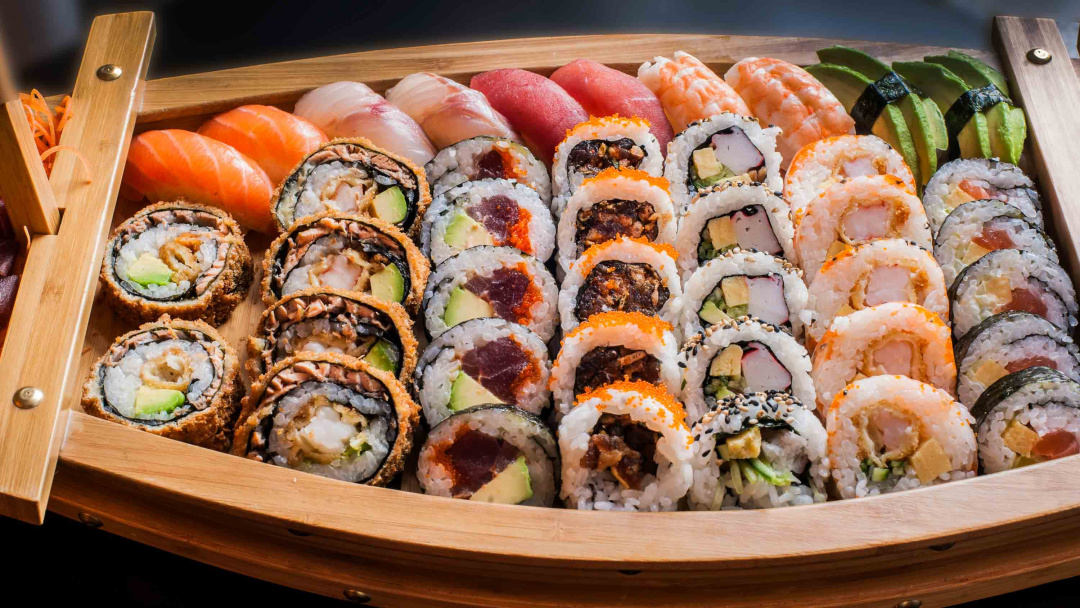
Sushi has firmly established itself as Italy's unofficial second cuisine, surpassing pizzerias in number across the country. In cities like Palermo, Milan, and Rome, sushi restaurants have become a common sight, often replacing traditional trattorias. This culinary evolution reflects a broader trend where sushi and Asian fusion eateries are now integral to the local food landscape.
In Palermo, for instance, the vibrant streets around Piazza Politeama, once dominated by local patisseries and pizzerias, now feature establishments like Arashi and Gohan. The shift is supported by statistics showing that between 2022 and 2023, new openings for Asian and fusion restaurants rose by 17%, compared to 15% for pizzerias.
The journey of sushi in Italy has roots in globalization and changing culinary preferences. Chef Francesco Piparo notes that the simplicity of sushi ingredients resonates with Italian tastes, which have long celebrated fresh fish and rice. He has introduced omakase dining to various restaurants in Palermo, blending Japanese techniques with Mediterranean flavors.
Historically, foreign cuisines struggled to gain traction in Italy, with few Asian restaurants outside major cities until recent years. The rise of sushi can be attributed to the influx of Chinese migration in the 1990s, which brought new culinary influences and made sushi more accessible. The introduction of the 'all you can eat' (AYCE) model allowed sushi to become a popular choice for diners seeking affordable and diverse options.
Giuseppe Rizzuto, a professor at the University of Palermo, explains that the AYCE format enabled restaurants to keep costs low by sourcing cheap fish, while also catering to a growing fascination with Japanese culture. This model has led to a fusion of cuisines, with sushi often served alongside other Asian dishes like chow mein.
Food scientist Beatrice Brattoli highlights how the affordability of sushi has encouraged Italians to explore and appreciate this cuisine. As more ingredients become available in local supermarkets, the market for sushi continues to evolve, with experts predicting a potential rise in Korean cuisine's popularity in the near future.
As the culinary landscape shifts, the future of sushi in Italy looks promising, with the possibility of new Asian influences enriching the dining experience. The journey from a niche offering to a beloved staple illustrates the dynamic nature of food culture in Italy, paving the way for further exploration of diverse flavors.