Impact of the Columbian Exchange on Global Cuisine
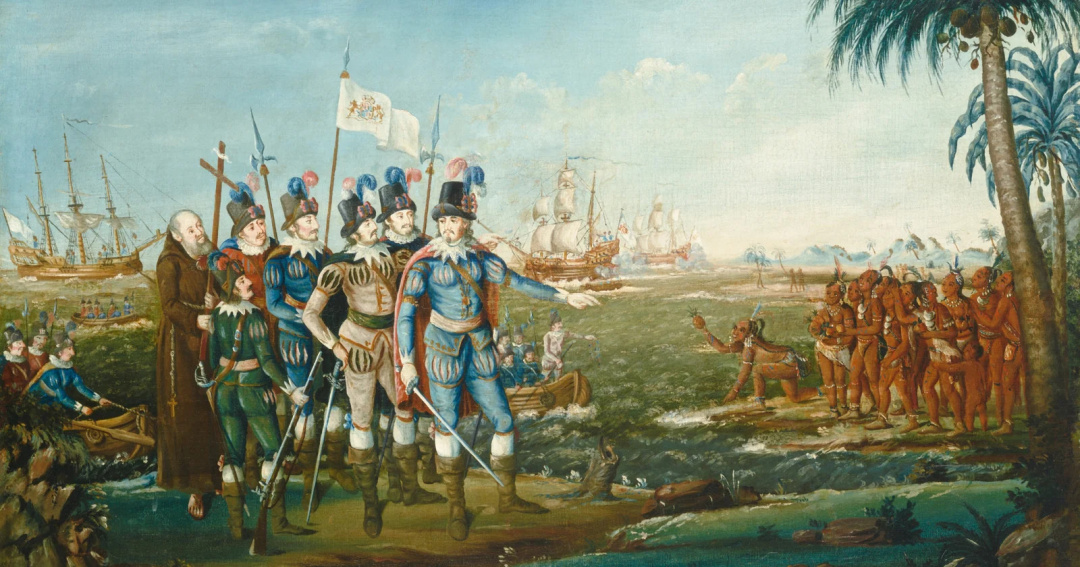
On October 11, 1492, many ingredients that define today's global cuisines were still unknown on the other side of the Atlantic. The Columbian Exchange, a term coined by historian Alfred W. Crosby, describes the two-way transfer of biological materials initiated by Columbus's landfall. This exchange introduced essential crops to regions where they had previously been absent, fundamentally altering culinary practices worldwide.
Tomatoes, originally from Mesoamerica, reached Spain around 1521 with Hernán Cortés's expedition but took another 150 years to gain acceptance in Italian cuisine, initially viewed as poisonous. Potatoes, native to the Andes and domesticated by the Inca, arrived in Europe around 1570, but it wasn't until Sir Walter Raleigh introduced them to Ireland in 1589 that they became a staple, eventually contributing to the Great Famine of 1845-1852. Cacao, used by ancient Mesoamerican civilizations for over 3,300 years, was brought to Spain in 1519 but only became the sweet chocolate we know today after 19th-century innovations. Chili peppers, native to the Americas, reached Portugal in 1500 and were spread to Asia and Africa, transforming cuisines like Thai and Sichuan.
The scale of this culinary transformation is unprecedented in global food history. Before 1492, cuisines such as Thai, Italian, and Irish were devoid of their now-iconic ingredients. The exchange also included a significant two-way flow of goods. The Old World contributed wheat, rice, sugar cane, coffee, and various livestock to the New World, reshaping agricultural practices and economies.
However, the exchange came at a devastating cost for the New World. The pre-Columbian population of the Americas, estimated at 50 to 100 million, plummeted to around 6 million by 1650 due to diseases like smallpox and influenza, to which Native Americans had no immunity. The demographic collapse was catastrophic, with mortality rates reaching 90 percent in some communities. The Aztec Empire, for instance, lost millions in a single outbreak.
The foods that transformed global cuisines traveled alongside these diseases, highlighting the unequal nature of the Columbian Exchange. While it enriched culinary diversity, it also marked one of the most tragic chapters in human history, where the introduction of new ingredients was intertwined with profound suffering and loss.