Exploring the Foreign Roots of Popular Indian Foods
Indian cuisine is often celebrated for its rich flavors and diverse dishes, but many popular foods enjoyed in India today have origins that trace back to other regions. Over centuries, trade, migration, and colonial influences have introduced various ingredients and cooking techniques to Indian kitchens, leading to the adaptation of these dishes into what we now recognize as Indian food.
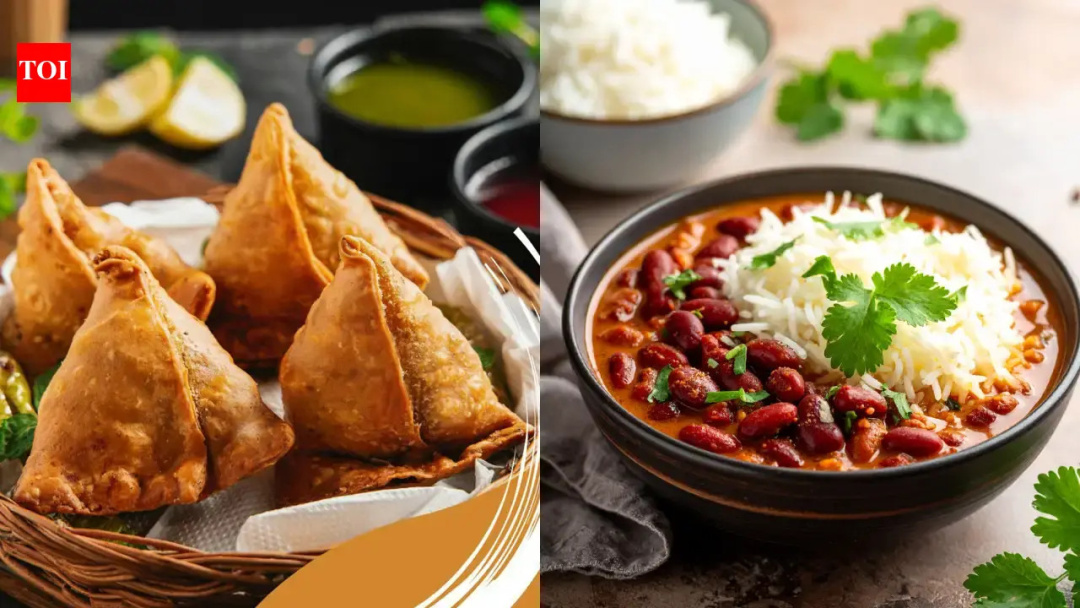
One of the most iconic snacks, the samosa, is a prime example. While it has become a staple in Indian snacking culture, its roots can be traced back to West and Central Asia. Known by names such as sambusa, it traveled eastward with traders before becoming a beloved part of Indian cuisine, particularly in its potato-filled, triangular form.
Similarly, jalebi, a sweet treat that is a fixture at Indian celebrations, has origins linked to the Middle East, where it was known as zalabiya. Over time, the recipe evolved, resulting in the bright orange, crispy version enjoyed in India today.
Gulab jamun, another cherished dessert, reflects Persian and Central Asian influences. Its name combines the Persian word for rose, 'gulab,' and the resemblance to the Indian berry, 'jamun.' The khoya-based version has become a staple at Indian weddings and festivals.
Naan, often served with rich gravies, is considered quintessentially North Indian, yet it belongs to a broader family of flatbreads with origins in Central and West Asia. The term itself comes from Persian, meaning bread, and India has developed various versions, including butter naan and garlic naan.
Biryani, a dish deeply woven into Indian culinary culture, also has foreign origins. Historians associate its ancestry with Persianate and Central Asian cooking traditions, and it has evolved into numerous regional styles across India, such as Hyderabadi and Kolkata biryani.
Tea, a beverage integral to Indian culture, did not originate in India. The modern chai culture emerged during the British colonial period, transforming tea into a spiced, milky drink that is now a global symbol of Indian hospitality.
Chicken tikka masala, while often thought of as a traditional Indian dish, is a product of Indian-British culinary exchange, with its exact origins still debated. Rajma chawal, a comfort food in North India, features kidney beans that originated in the Americas and were introduced to Indian cuisine after the Columbian exchange.
Indian pickles have ancient roots, but the red and green chilies that transformed them are not native to India. They were introduced through Portuguese trade in the 16th century, revolutionizing Indian cooking with their vibrant flavor and heat.
Finally, the potato, a key ingredient in many Indian dishes, arrived from the Andes of South America through European traders, becoming a staple in regional cooking. These foods, while now integral to Indian cuisine, remind us of the rich tapestry of cultural exchange that has shaped culinary traditions across the globe.