The Evolution of Korean Cuisine in New York: From Koreatown to Culinary Pioneers
Korean cuisine in New York City has experienced a remarkable evolution, particularly highlighted by the 10th anniversary celebration of Atoboy, where over 300 attendees gathered to honor the contributions of owners Junghyun “JP” and Ellia Park. Since their arrival from Seoul in 2012, the Parks have established Atoboy and Atomix as influential players in the city's culinary scene, marking a significant shift in how New Yorkers perceive and engage with Korean food.
Historically, Korean cuisine has deep roots in New York, with immigrant communities establishing a presence that dates back generations. The area around West 32nd Street has long been recognized as Koreatown, where traditional dishes catered primarily to Korean patrons. However, the past 15 years have seen a shift in this dynamic, as Korean food has moved beyond these confines, gaining recognition and appreciation from a wider audience.
The transformation can be traced back to chefs like Hooni Kim, who recalls a time when Koreatown was predominantly frequented by Korean diners. Today, he observes that non-Korean patrons often outnumber their Korean counterparts in these establishments. This change reflects a broader acceptance and curiosity about Korean cuisine, as diners increasingly seek to explore its diverse flavors and techniques.
The emergence of Korean fine dining has been pivotal in this evolution. Notably, David Chang's Momofuku, which opened in 2004, played a crucial role in showcasing Asian flavors with confidence, although it initially leaned more towards Japanese-American cuisine. This shift in perception allowed Korean chefs to present their culinary heritage with the same seriousness as European cuisines, paving the way for restaurants like Danji and Jungsik to flourish.
Hooni Kim's Danji, which opened in 2010, was significant not only for its culinary offerings but also for its role in expanding the audience for Korean food. By blending traditional dishes with modern interpretations, Kim aimed to educate diners about Korean flavors while ensuring a comfortable dining experience. This approach has been echoed by other chefs, including Esther Choi, who opened Mokbar in 2014, merging Korean flavors with ramen to create accessible entry points into the cuisine.
As Korean food gained traction, it also began to reflect broader cultural trends. The rise of K-pop and Korean entertainment has contributed to a growing fascination with Korean culture, yet the quality of the food remains paramount. Chefs like Irene Yoo have recognized this shift, noting that diners are now more familiar with ingredients like kimchi and gochujang, allowing for deeper culinary conversations.
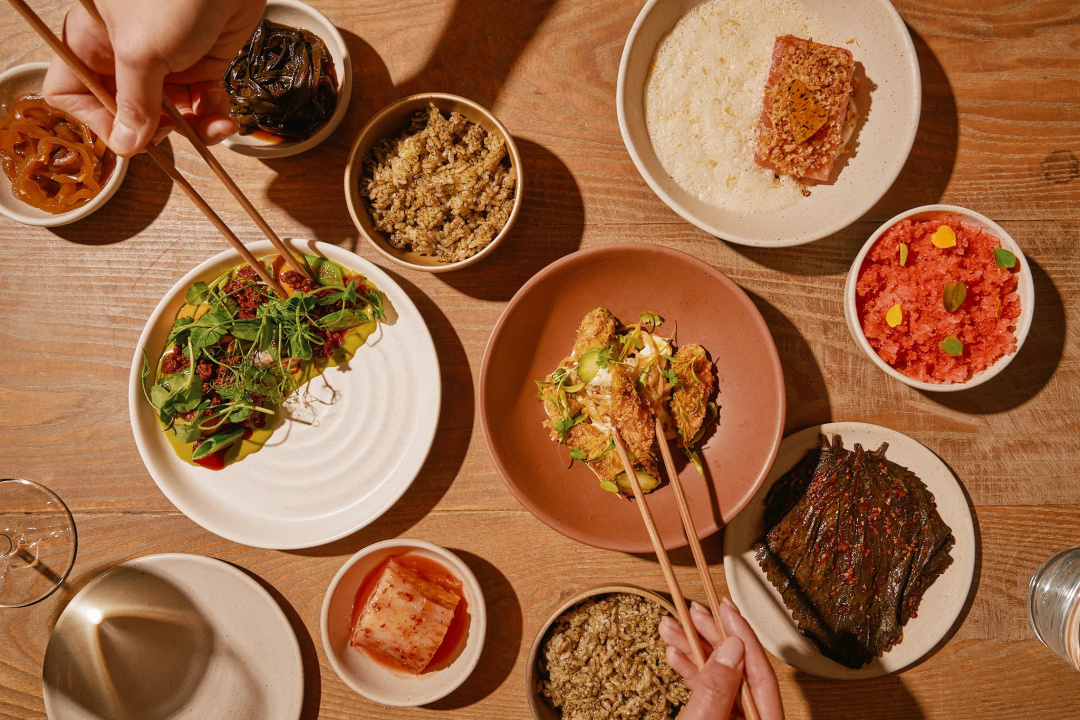
The Parks' Atoboy and Atomix have further elevated Korean cuisine, transforming traditional banchan into contemporary dining experiences. Their success highlights a new narrative for Korean food, one that does not require validation through comparisons to other cuisines. As chefs like Jae Jung at Kjun blend Korean flavors with other culinary traditions, the boundaries of Korean cuisine continue to expand.
The evolution of Korean food in New York reflects a broader cultural shift, where chefs are no longer confined to traditional definitions but are free to explore and innovate. With plans for future expansions, including a Korean barbecue restaurant in London, the Parks aim to continue their role as ambassadors of Korean culture, showcasing the richness and diversity of their culinary heritage.