More on the menu
Asian Cookbooks

Explore Thai, Japanese, Chinese, and other Asian cooking, from regional traditions to the dishes worth making at home.

🍜 See it

Sponsorship complete. Back to dessert.

Mastering Thatte Idli: A Step-by-Step Guide to Karnataka's Fluffy Delight
Sep 21, 2026
Mastering Thatte Idli: A Step-by-Step Guide to Karnataka's Fluffy Delight

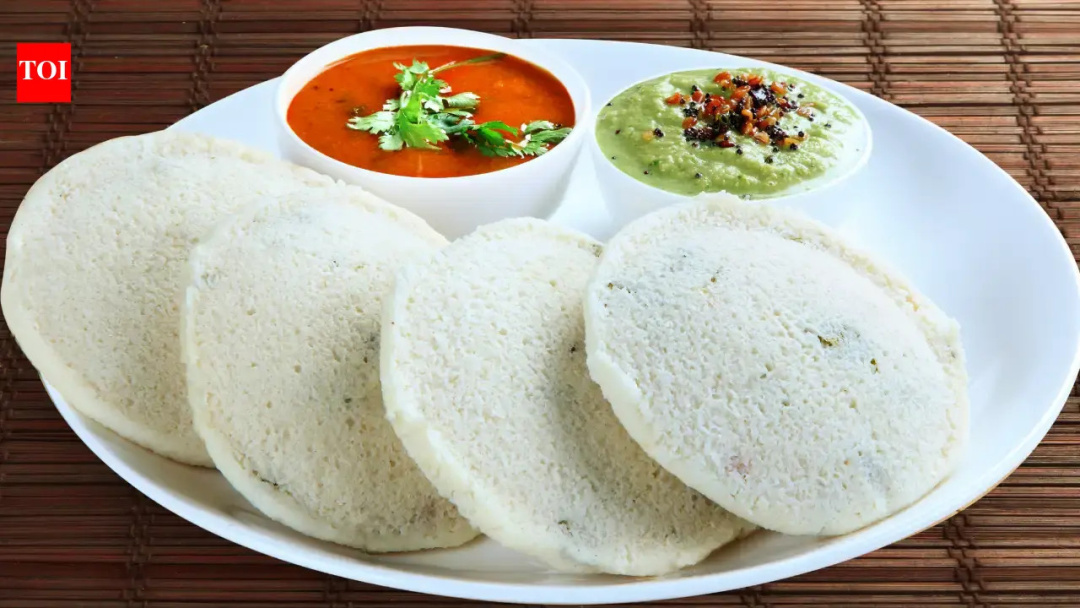
Thatte Idli, a staple from Karnataka, stands out in the culinary landscape of South India with its impressive size and unique texture. Unlike the typical dome-shaped idlis, thatte idlis are wide and flat, resembling a cloud rather than a rice cake. The term 'thatte' derives from the Kannada word for 'plate,' referencing the method of steaming these idlis in flat plates instead of the usual molds. This innovative approach not only simplifies the cooking process but also enhances the dining experience by serving one large idli instead of several smaller ones.

To create the perfect thatte idli at home, start by soaking the ingredients properly. Take 2 cups of idli rice or dosa rice (such as sona masuri) and soak it in a large bowl for about 5 hours. In a separate bowl, soak 1 cup of urad dal for around 3 hours. Soaking the rice and dal separately is crucial, as they soften at different rates, ensuring better control over the final batter's texture.

More on the menu
Asian Cookbooks
🍜 See it
Woks & Stir-Fry Tools
🍜 See it
Bamboo Steamers & Dumpling Tools
🍜 See it
Japanese Knives & Knife Skills
🍜 See it

Sponsorship complete. Back to dessert.

Once the soaking is complete, drain the water from both bowls. Begin by blending the urad dal first, gradually adding water until it transforms into a smooth, fluffy paste. This step is vital for achieving the softness that thatte idlis are known for. Set this mixture aside in a large bowl. Next, blend the soaked rice along with ¾ cup of washed thin poha, aiming for a slightly coarse texture. This contrast between the smooth dal and the coarse rice contributes to the distinctive light and porous bite of thatte idli.

The fermentation process is critical. Cover the mixed batter and place it in a warm area for 8-10 hours, or until it visibly doubles in size. You'll know the batter is ready when it appears puffed up and filled with tiny bubbles.

After fermentation, gently fold in 1½ teaspoons of salt, being careful not to deflate the batter. The consistency should be thick yet pourable, not runny. Prepare your thatte idli plates by greasing them well with oil or desi ghee to ensure easy removal later. Fill each plate evenly with the batter and arrange them in your steamer. Steam over medium heat for about 20 minutes, checking with a toothpick to ensure they are cooked through. The unique steaming method is essential for these wider idlis, as medium heat allows them to cook evenly without becoming rubbery.

Serve your thatte idlis hot, accompanied by coconut chutney or simply layered with desi ghee and idli podi powder for an authentic Karnataka experience.

More on the menu
Asian Cookbooks

Explore Thai, Japanese, Chinese, and other Asian cooking, from regional traditions to the dishes worth making at home.

🍜 See it
Woks & Stir-Fry Tools

Carbon steel woks and stir-fry utensils for the home kitchen. Bring the tools; the technique is still yours to master.

🍜 See it

Sponsorship complete. Back to dessert.

Recommended for You
Dosa Dosa: A Taste of South India in Dublin with Remarkable Value
Asian Food Aug 31, 2026

Dosa Dosa: A Taste of South India in Dublin with Remarkable Value

Dosa Dosa, a South Indian restaurant in Dublin, offers a diverse menu featuring traditional dishes like dosa, idli, and vada. The…

More on the menu
Asian Cookbooks

Explore Thai, Japanese, Chinese, and other Asian cooking, from regional traditions to the dishes worth making at home.

🍜 See it
Woks & Stir-Fry Tools

Carbon steel woks and stir-fry utensils for the home kitchen. Bring the tools; the technique is still yours to master.

🍜 See it
Bamboo Steamers & Dumpling Tools

Bamboo steamers and dumpling-making tools for dim sum, bao, and the next batch of something worth sharing.

🍜 See it

Sponsorship complete. Back to dessert.

More on the menu
Asian Cookbooks

Explore Thai, Japanese, Chinese, and other Asian cooking, from regional traditions to the dishes worth making at home.

🍜 See it
Woks & Stir-Fry Tools

Carbon steel woks and stir-fry utensils for the home kitchen. Bring the tools; the technique is still yours to master.

🍜 See it
Bamboo Steamers & Dumpling Tools

Bamboo steamers and dumpling-making tools for dim sum, bao, and the next batch of something worth sharing.

🍜 See it
Japanese Knives & Knife Skills

Santoku and nakiri knives for the prep that comes before the first sizzle. Give the ingredients a clean start.

🍜 See it
Rice Cookers & Rice Prep

Rice cookers and preparation essentials for the bowl at the heart of the meal. Simple food deserves proper attention.

🍜 See it
Chopsticks, Flatware & Asian Table Settings

Chopsticks, soup spoons, and small finishing touches for a table that gives the food its due.

🍜 See it

Sponsorship complete. Back to dessert.