Essential Dishes to Order at Korean Barbecue According to Chef Samuel Kim
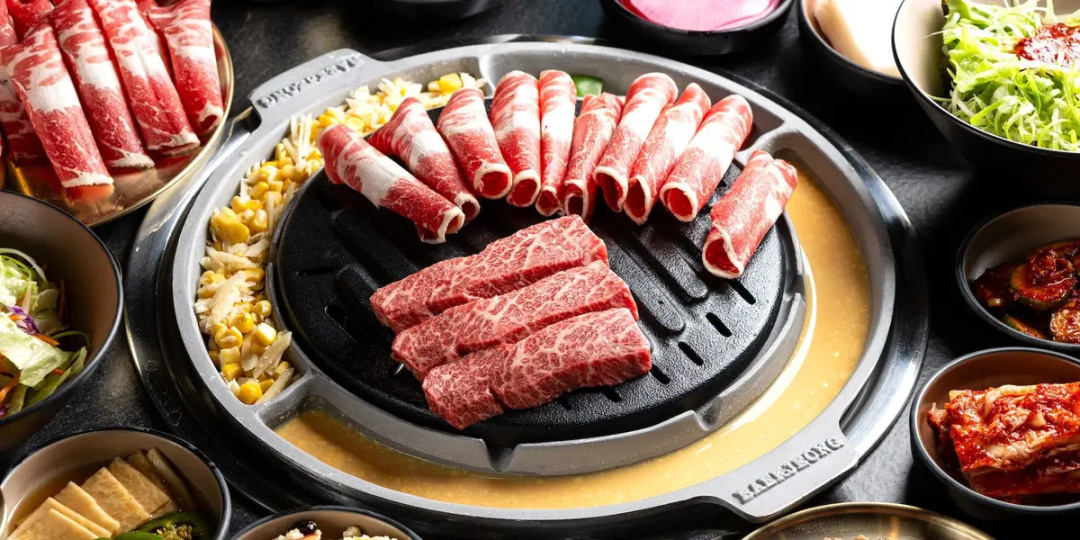
Navigating the menu at a Korean barbecue restaurant can be overwhelming given the variety of meats, appetizers, and sides available. To help diners make the best choices, Chef Samuel Kim of Baekjeong, which has expanded to eight locations across California and Washington, offers his expert recommendations.
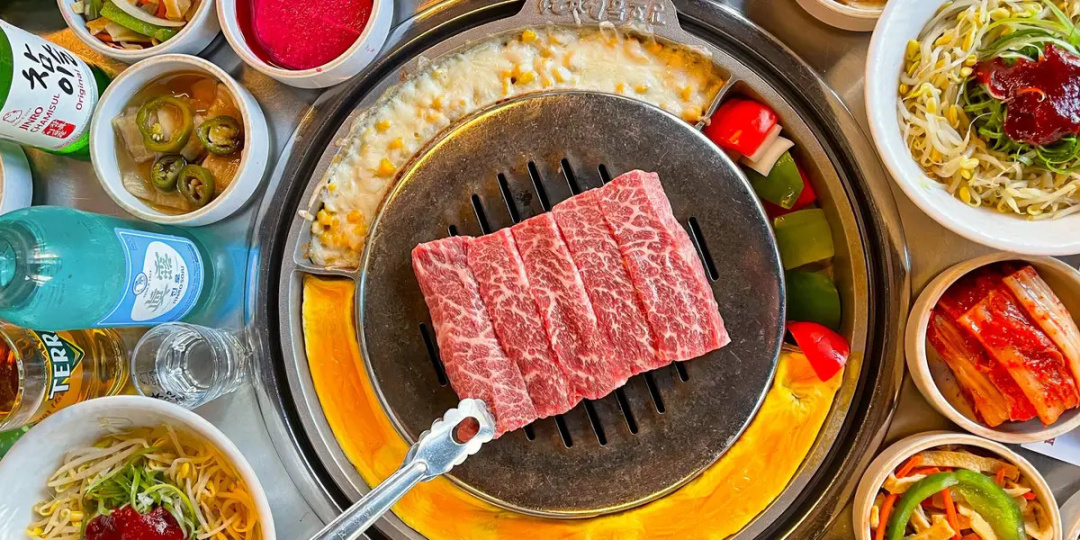
Kim emphasizes that beef is a must when dining at a Korean barbecue, particularly brisket and short rib. However, he insists that pork should not be overlooked. "Some people will just go for beef, but pork is such an important animal to grill for us at Korean barbecue. Especially pork belly. Always the pork belly," Kim advises. Additionally, he recommends pork jowl for its unique flavor and texture when grilled quickly.
Korean pancakes, known for their diverse recipes, are another staple that Kim insists on ordering. "Everyone has their own recipe," he notes, comparing the variations to Italian cuisine, where each family claims their version is the best.
To complement the grilled meats, Kim stresses the importance of including a jjigae, or stew, in the meal. He suggests trying one made with soybean or kimchi to enhance the flavors of the grilled proteins.
When it comes to beverages, Kim highlights soju as the national drink of Korea, which he believes is integral to the barbecue experience. "It's a key part of the whole experience," he states, while also reminding diners of the cultural practice of not pouring their own drinks, as it is considered bad luck.
While Kim enjoys seafood dishes, he advises against ordering grilled or braised fish at a Korean barbecue. "When we decide to go out to eat in Korea, we don't decide on the restaurant we want to eat at — we decide the dish we want to eat. If you're going to a Korean barbecue restaurant to eat meat, I don't know why you'd eat seafood," he explains.
He also cautions against restaurants with overly extensive menus that include items like udon noodles, as they may not specialize in the barbecue experience diners are seeking. By following Kim's recommendations, diners can ensure a more authentic and satisfying Korean barbecue experience.