Lin Heung Lau: Hong Kong's Dim Sum Haven Thrives with World Cup Screenings
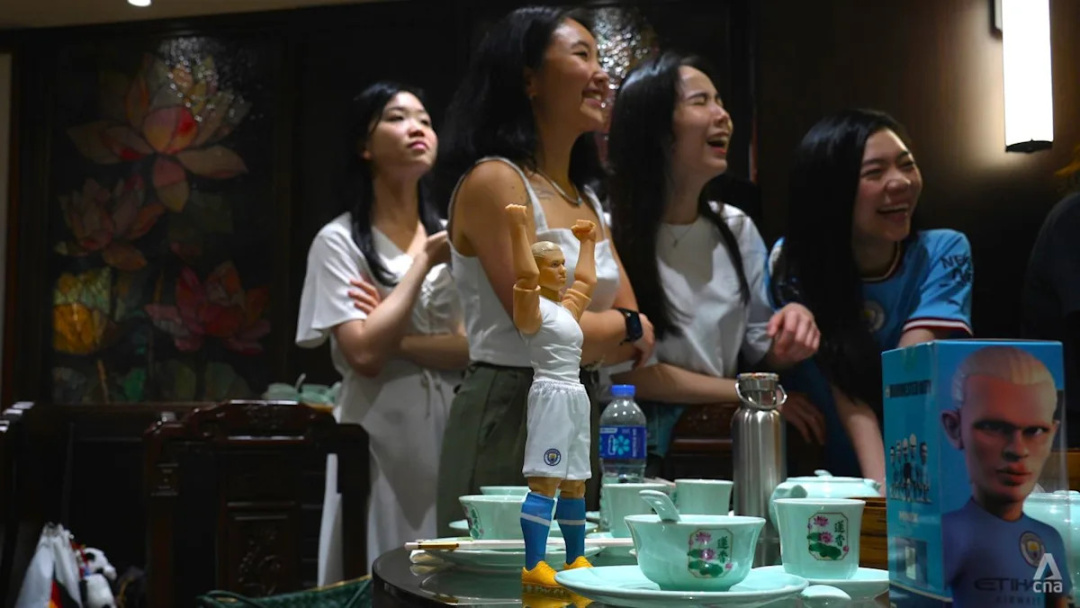
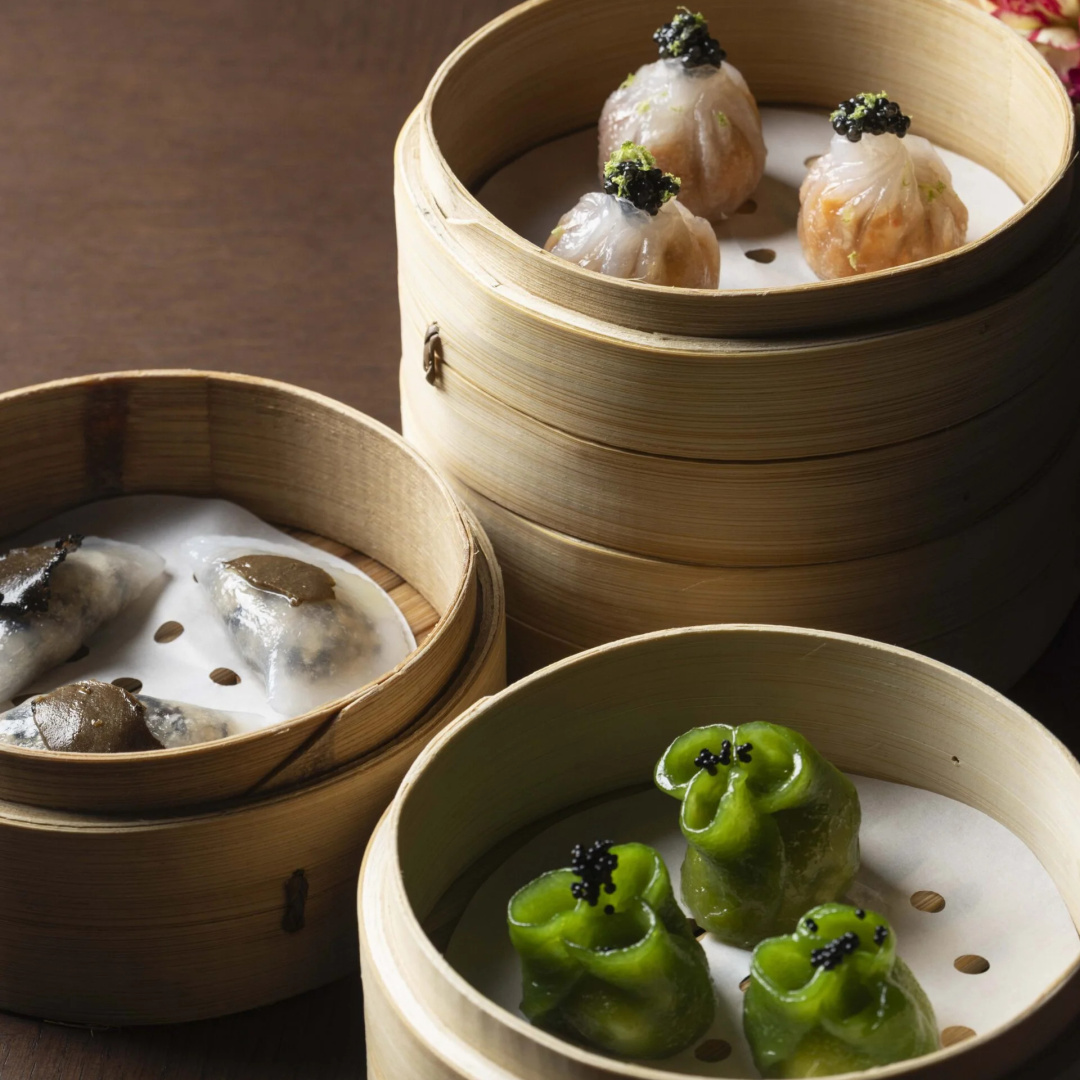
Lin Heung Lau, a historic dim sum restaurant in Hong Kong, has seen a 20% increase in business by embracing innovative strategies to attract customers, particularly during the World Cup. Located in the heart of the city, this iconic eatery has transformed into a vibrant venue for football fans, offering a unique experience where patrons can enjoy traditional dim sum while cheering for their teams.
As the sun rises over Hong Kong, the sounds of bamboo steamers and the clinking of teacups are now accompanied by the cheers of enthusiastic football fans. The restaurant, which has been serving dim sum for over a century, has become a go-to destination for locals eager to catch World Cup matches, especially those scheduled early in the morning. With its recent acquisition of a one-year broadcast contract, Lin Heung Lau is not only screening World Cup matches but also plans to continue this trend for Premier League games.
The restaurant's marketing director, Wong Chi Yin, noted that these events have broadened their customer base, attracting a diverse crowd from various nationalities who come to support their teams. The atmosphere during these screenings is electric, with social media posts showcasing long lines of eager fans waiting to get in, even as early as 4 am.
In addition to football screenings, Lin Heung Lau has introduced 'dim sum raves,' where guests can enjoy dumplings and pork buns while listening to retro Cantopop music. This initiative has proven successful, further enhancing the restaurant's appeal and contributing to the recent business boost. Wong explained that the raves attract a wide range of patrons, making the dining experience more dynamic and inclusive.
The success of Lin Heung Lau reflects a broader trend among Hong Kong's dining establishments, which are increasingly seeking innovative ways to stand out in a competitive market. With traditional Chinese restaurants facing challenges due to changing consumer habits and the rise of trendy new eateries, many are turning to unique experiences to draw in customers.
As the city’s dining scene evolves, Lin Heung Lau’s approach serves as a reminder that even long-standing institutions can adapt and thrive by embracing new ideas while staying true to their culinary roots. Experts suggest that for traditional eateries to remain competitive, they must enhance customer service and embrace modern technologies, such as e-payments, to cater to the preferences of younger diners.
In a landscape where many historic restaurants are closing, Lin Heung Lau stands out as a beacon of resilience, proving that innovation and tradition can coexist beautifully in the world of dim sum.