Exploring the Health Benefits and Preparation of Matcha Tea
Matcha, a vibrant powdered green tea from Japan, has captured the attention of tea lovers and health enthusiasts around the world. Distinguished by its unique cultivation and preparation methods, matcha offers a rich flavor profile and numerous potential health benefits. The tea plants are shaded from sunlight during growth, resulting in higher levels of theanine, antioxidants, chlorophyll, and caffeine than typical green teas.
Unlike standard green tea, where leaves are steeped and discarded, matcha involves finely grinding the entire leaf into a bright green powder. Traditionally, it is whisked with hot water and served in a bowl, allowing drinkers to savor its pure essence. The flavor of matcha can be described as grassy with a hint of bitterness, but high-quality matcha, when prepared correctly, reveals a delightful umami taste with a subtle sweetness.
Dietitian Asako Miyashita emphasizes the importance of brewing matcha at a low temperature for optimal flavor. A typical serving of matcha contains about 30-40 milligrams of caffeine, which can sometimes exceed that of coffee, depending on the brand. However, the presence of L-theanine in matcha moderates the caffeine's effects, providing a more balanced energy boost that many find calming.
Matcha is particularly noted for its high concentration of antioxidants, especially catechins, which may offer various health benefits, including potential cancer-fighting properties and improved metabolic health. The amino acid L-theanine also contributes to relaxation and mental clarity, making matcha a popular choice for those seeking both energy and calmness.
Research indicates that the catechins in matcha, particularly epigallocatechin gallate (EGCG), possess antioxidant and anti-inflammatory properties. These compounds may play a role in reducing oxidative stress and supporting cardiovascular health, though further studies are needed to confirm these effects.
Despite its benefits, matcha should be consumed mindfully. It can cause stomach discomfort if taken on an empty stomach, and lower-quality matcha may lead to digestive issues due to higher tannin content. Additionally, individuals sensitive to caffeine should be cautious, as matcha's caffeine levels can be significant.
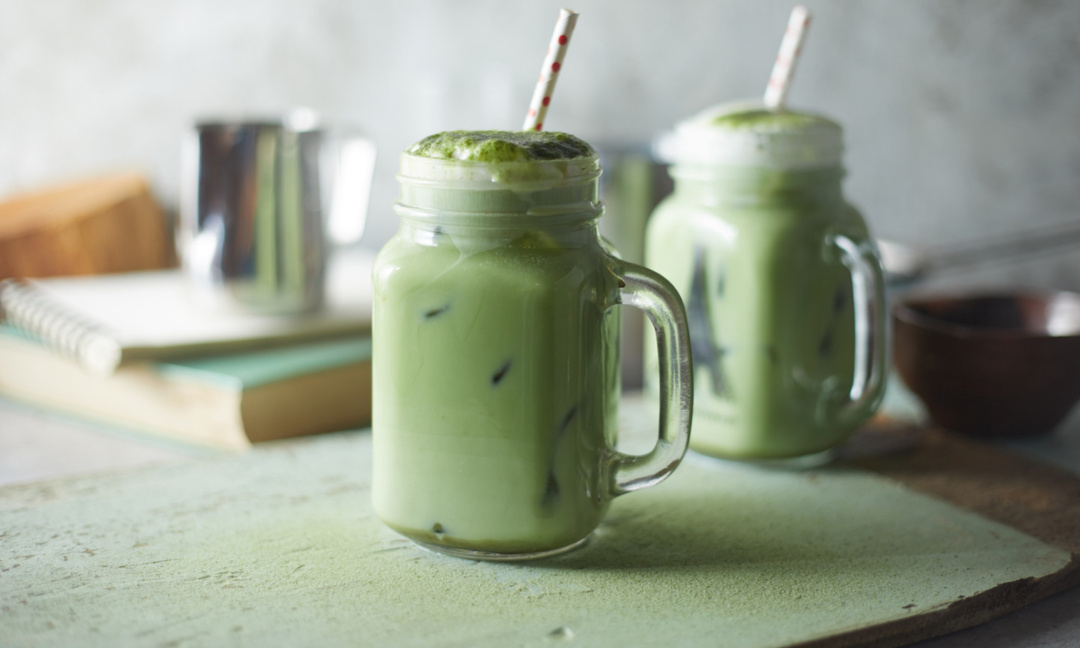
Preparing matcha at home is straightforward with the right tools. Traditionally, a bamboo whisk, or chasen, is used to create a frothy texture. For those without this tool, a mason jar can suffice—simply shake sifted matcha with water before adding milk for a latte.
Matcha's versatility extends beyond beverages; it can enhance baked goods, smoothies, and even savory dishes. Michiko Tomioka, a functional nutrition expert, highlights that matcha is not just a drink but a cultural experience, promoting hospitality in its preparation. Whether enjoyed in its pure form or as part of a creative recipe, matcha offers a delightful way to incorporate a piece of Japanese culture into daily life.
In summary, matcha is a powerful beverage with a rich history and potential health benefits. Whether opting for ceremonial-grade matcha for its pure taste or culinary-grade for creative cooking, integrating matcha into your routine can be both enjoyable and beneficial.