Korean Cuisine Gains Popularity in the UK: The Kimchi Revolution
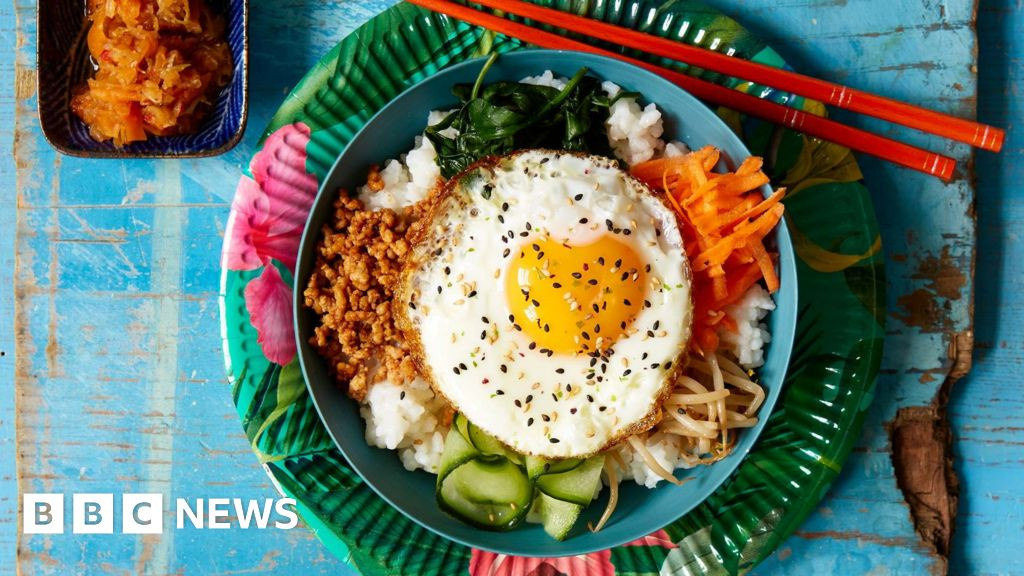
In recent years, Korean cuisine has seen a significant rise in popularity across the UK, with kimchi emerging as a key player in this culinary movement. During a recent cooking class led by Korean-American chef Judy Joo in London, participants learned the traditional method of making kimchi, a staple in Korean households. Joo emphasized that kimchi is not just a dish but a cultural cornerstone, traditionally consumed year-round by Koreans.
The class, part of a promotional effort by Ocado to introduce a new Korean food aisle, reflects a broader trend of integrating Korean flavors into British culinary practices. As more Korean restaurants open and the public's interest in Korean culture grows, the appreciation for its food is also increasing. The South Korean government's "Global Hansik" campaign, launched in 2009, aimed to elevate Korean cuisine's profile abroad, and recent studies indicate a rise in awareness of Korean food in major cities.
This growing interest is also visible in UK supermarkets, where sales of gochujang, a fermented chili paste, have surged by over 70%. Kimchi has become one of the fastest-growing international products in stores, with consumers increasingly seeking out authentic Korean ingredients. Nutritionist Emer Lowry notes that fermented foods like kimchi are not only flavorful but also beneficial for gut health, further driving their popularity.
Social media platforms, particularly TikTok, have played a pivotal role in this culinary shift. Analysis shows a dramatic increase in posts related to Korean food, indicating a growing curiosity among the British public. Restaurants like Cálong in North London are exploring how to adapt traditional Korean dishes using locally sourced ingredients, showcasing the fusion of Korean techniques with British culinary practices.
Chef Joo Won from Cálong reflects on the challenges of recreating authentic Korean flavors with available British ingredients, emphasizing the need for reinterpretation rather than strict adherence to traditional recipes. This approach allows for a unique culinary expression that respects both Korean heritage and local availability.
Yoonsun Chang, who runs a Korean supper club, highlights the importance of cultural connections formed through food. Her events focus on sharing the deeper aspects of Korean dining culture, such as the warmth of hospitality and the stories behind everyday dishes.
As Korean food continues to gain traction in the UK, it is clear that this culinary journey is just beginning. From home-cooked kimchi to innovative restaurant offerings, Korean cuisine is steadily becoming an integral part of British culinary life, inviting more people to explore its rich flavors and traditions.