Understanding Japanese Knives: A Guide to Their Unique Craftsmanship and Types
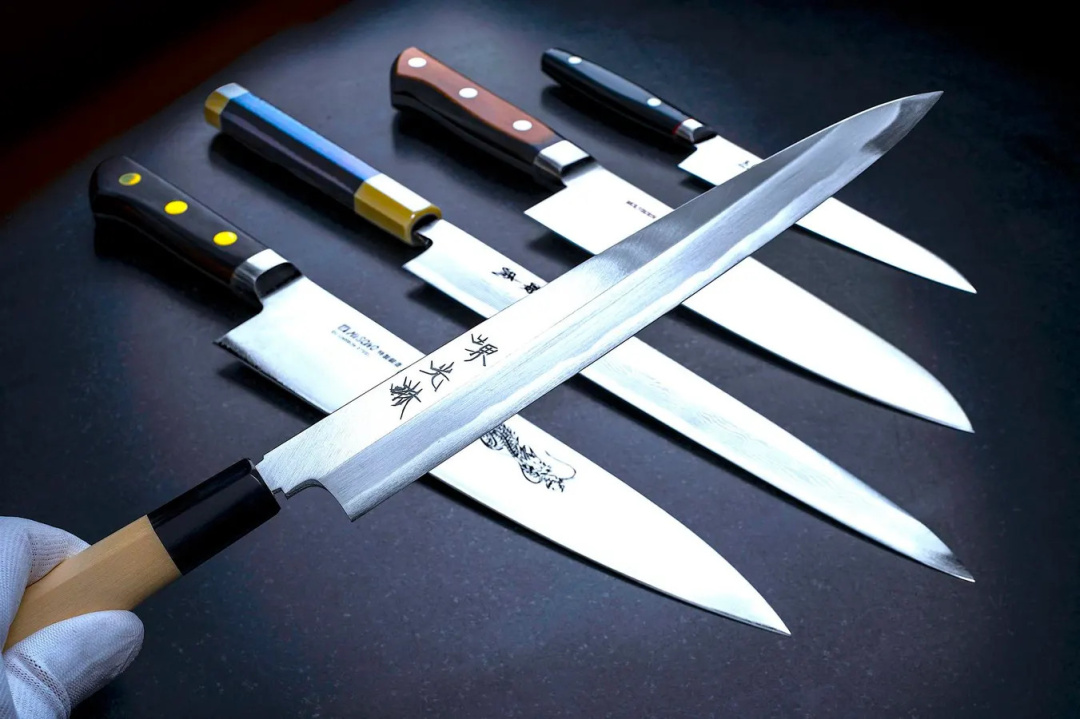
At a sushi restaurant, the sight of a chef expertly slicing fish with a Japanese knife is a testament to the artistry and precision these tools embody. Japanese knives are crafted from high-carbon steel, which gives them a hardness rating of 60 to 65 HRC, compared to the 59-62 HRC of many Western knives. This increased hardness allows for a sharper blade angle, resulting in cleaner cuts that preserve the integrity of the food, enhancing its flavor and texture.
Unlike their Western counterparts, Japanese knives are typically thinner and lighter, lacking a bolster—the band that connects the blade to the handle. This design choice not only contributes to their ergonomic benefits but also shifts the center of balance to the blade itself, allowing for greater control and precision in cutting.
The absence of a bolster also means that the handles of Japanese knives come in various shapes and materials, ranging from buffalo horn to rosewood. The octagon-shaped handle is particularly esteemed for its comfort and grip.
One of the standout features of Japanese knives is their longevity in sharpness. With proper care, these knives can retain their edge for extended periods, reducing the need for frequent sharpening. Users can easily sharpen their knives using a whetstone, although professional sharpening is also an option to maintain optimal performance. However, it's essential to note that the hard steel used in these knives makes them more susceptible to chipping, necessitating careful storage on a block or magnetic strip.
Japanese knives are typically characterized by their blade shapes. Traditional models often feature a single-edged blade known as Kataba, while Western-style knives have a double-edged blade called Ryoba. The single-edged design minimizes damage to food, preventing bruising and moisture loss, while the concave side aids in food release.
In response to the evolving culinary landscape, many Japanese knife makers have also begun producing Western-style knives, such as Gyuto and Santoku, to accommodate diverse cooking needs. The Santoku knife, for instance, is a versatile tool favored in Japanese households, ideal for slicing meat, fish, and vegetables.
The craftsmanship behind Japanese knives is steeped in tradition, with skilled artisans employing over 20 meticulous steps to create each blade. The history of these knives dates back over a millennium, initially serving religious purposes before evolving into weapons and eventually kitchen tools. The transition from sword-making to knife production gained momentum during the Edo Period, as many swordsmiths adapted their skills to meet the growing demand for kitchen knives.
Today, the legacy of Japanese knife-making continues, with artisans striving to preserve their craft. Saori Kawano, founder of Korin, highlights the importance of this tradition, stating, "At the core of Japanese knives is craftsmanship. Lumps of steel and iron are transformed into elegant objects of beauty and exceptional function by the artisans whose lives have been devoted to producing superior products."
For those interested in acquiring a Japanese knife, options abound, including online retailers and showrooms in cities like New York. Whether for home cooks or professional chefs, understanding the unique properties and history of Japanese knives can enhance the culinary experience.