Top Three Meats to Order at Korean Barbecue According to Chef Samuel Kim
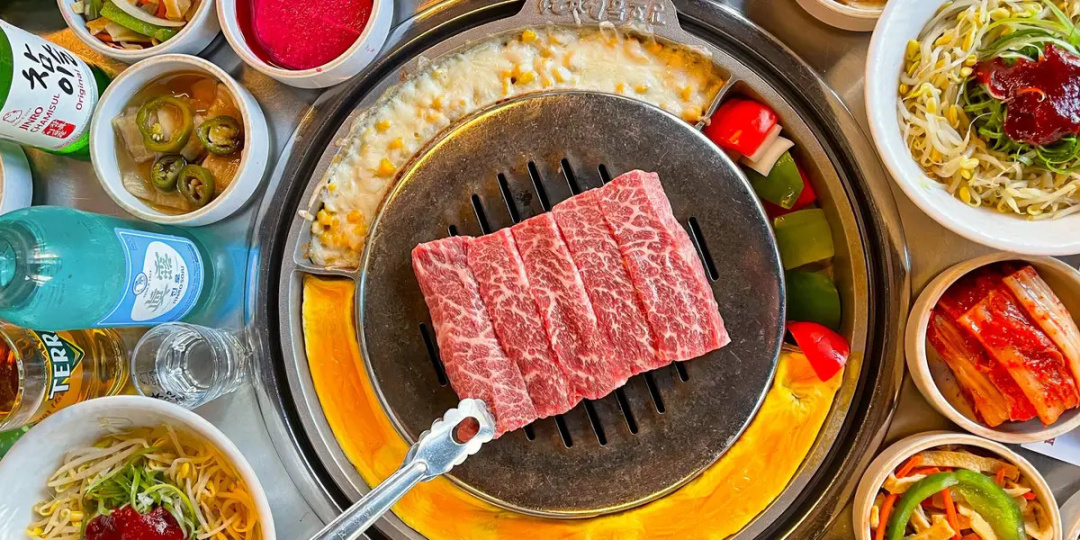
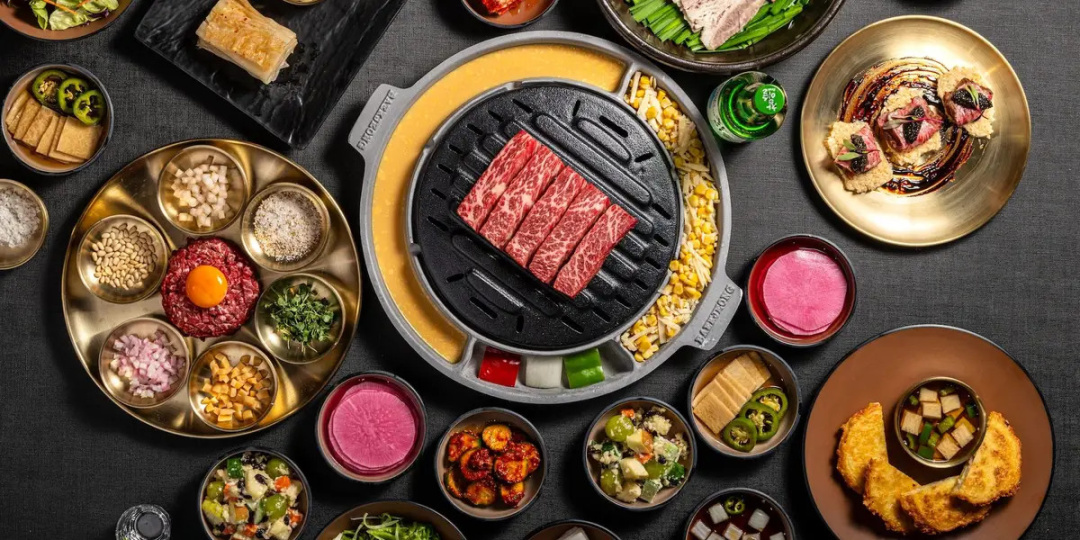
Korean barbecue offers a plethora of protein choices, but knowing which meats to order can elevate your dining experience. Chef Samuel Kim, who has played a pivotal role in expanding the popular Korean barbecue chain Baekjeong, shares his top three must-order meats for an authentic KBBQ experience.
First on Kim's list is the brisket, a staple in Korean barbecue that is often the starting point for many diners. "You definitely have to order the brisket; it's always the first meat that we start off eating at Korean barbecue," Kim advises. The brisket is sliced thin and cooks quickly, allowing diners to enjoy it almost immediately after it hits the grill.
Next, Kim highlights the outside skirt steak, a cut that is not frequently found on menus but is well worth seeking out. "You don't see it often on menus, but you should order it if you do," he notes. This cut is known for its tenderness and rich flavor, making it a standout choice when available. It is important to distinguish outside skirt steak from its inside counterpart, which Kim describes as being more akin to "taco meat."
The final recommendation is boneless short rib, a classic choice that rounds out Kim's KBBQ essentials. He explains that a good Korean barbecue restaurant will sequence the meats based on their fat content, starting with beef and finishing with pork. "Some people will just go for beef, but pork is such an important animal to grill for us at Korean barbecue," Kim emphasizes.
When it comes to pork, Kim suggests pork belly as a reliable option, but he also encourages diners to try pork jowl if it’s available. This cut is particularly well-suited for the quick grilling method typical of Korean barbecue.
To achieve the best results when grilling these meats, Kim shares a crucial cooking tip: ensure your grill is hot enough to achieve a good sear. He advises that the goal is to have the meat "GBD"—golden brown and delicious. "Some people see char and think they burned the meat," he explains, cautioning that low grill heat can lead to steaming rather than proper grilling, which results in a less appealing gray color rather than the desired golden brown.
In summary, for a memorable Korean barbecue experience, make sure to follow Chef Samuel Kim's advice: start with brisket, seek out outside skirt steak, and don't overlook the boneless short rib. With the right cooking techniques, these meats can provide an unforgettable culinary experience.