Bean Sprout Shortage Challenges Jiro-Style Ramen Shops in Japan
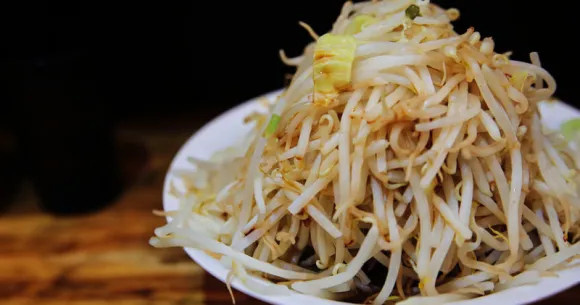
Japan is currently facing a notable shortage of bean sprouts, or "moyashi," which has begun to impact Jiro-style ramen shops across the nation. These establishments are renowned for their hearty bowls of ramen, which typically feature a generous serving of bean sprouts, adding both texture and flavor to the dish. The current scarcity of this crucial ingredient has left many ramen chefs scrambling to adapt their menus or find alternative toppings to satisfy their loyal customers.
The situation has arisen due to a combination of factors, including supply chain disruptions and increased demand for fresh vegetables in the wake of recent health trends. Jiro-style ramen, characterized by its thick noodles and rich, fatty broth, has always relied on moyashi to provide a crunchy contrast to the rich flavors of the ramen. Without it, many chefs fear that they may not be able to deliver the authentic experience that their patrons expect.
Many ramen shops are now faced with the difficult decision of either raising prices to accommodate the increased cost of sourcing bean sprouts or adjusting their recipes to include other vegetables. Some have experimented with alternatives like cabbage or spinach, but these substitutions do not provide the same flavor profile or texture that customers have come to love in Jiro-style ramen.
As the bean sprout shortage continues, ramen enthusiasts are expressing their concerns on social media, with many sharing their favorite Jiro-style ramen experiences and lamenting the potential loss of this beloved topping. Some chefs are even considering creating limited-time menus that highlight the remaining availability of moyashi, hoping to draw in customers eager to enjoy the authentic taste before it becomes even harder to find.
Sustainability Concerns in the Ramen Industry
The impact of this shortage extends beyond just the ramen shops; it also raises questions about the sustainability of agricultural practices in Japan and the reliance on specific crops. As consumers become more aware of food sourcing and sustainability, the ramen industry may need to adapt not only to current shortages but also to changing consumer preferences in the future.
The Future of Jiro-Style Ramen Amidst Challenges
Looking ahead, the future of Jiro-style ramen may depend on how quickly the supply of bean sprouts can be stabilized. Some industry experts suggest that local farmers could ramp up production to meet the demand, but this will take time. In the meantime, ramen shops are urged to communicate openly with their customers about the challenges they face and the steps they are taking to maintain quality.
As the ramen landscape evolves, the resilience of Jiro-style shops will be tested. Whether through innovative menu changes or by fostering closer relationships with local suppliers, these establishments will need to navigate this crisis carefully to preserve their culinary heritage. The love for Jiro-style ramen remains strong among fans, and many are hopeful that this beloved dish will adapt and thrive in the face of adversity.