Top Chinese Chefs Share Dishes to Avoid and Dining Tips
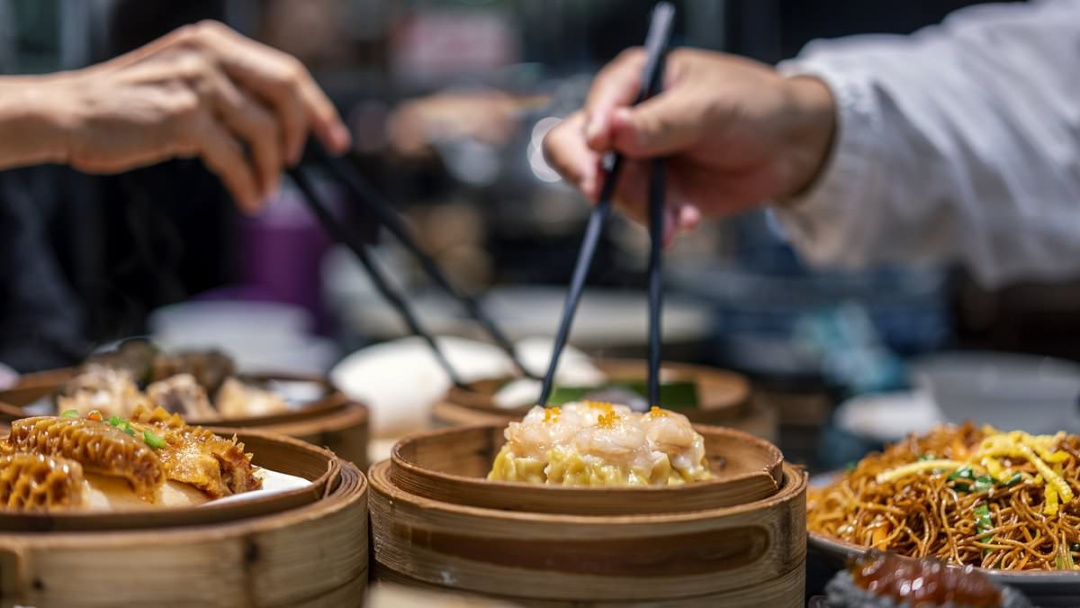
Chinese cuisine has solidified its status as the second favorite takeaway in the UK, trailing only behind Italian food. With a vast array of dishes available, it can be overwhelming for diners to make informed choices. To help navigate the menu, two esteemed Chinese chefs have shared their insights on dishes to avoid and key indicators of quality in Chinese restaurants.
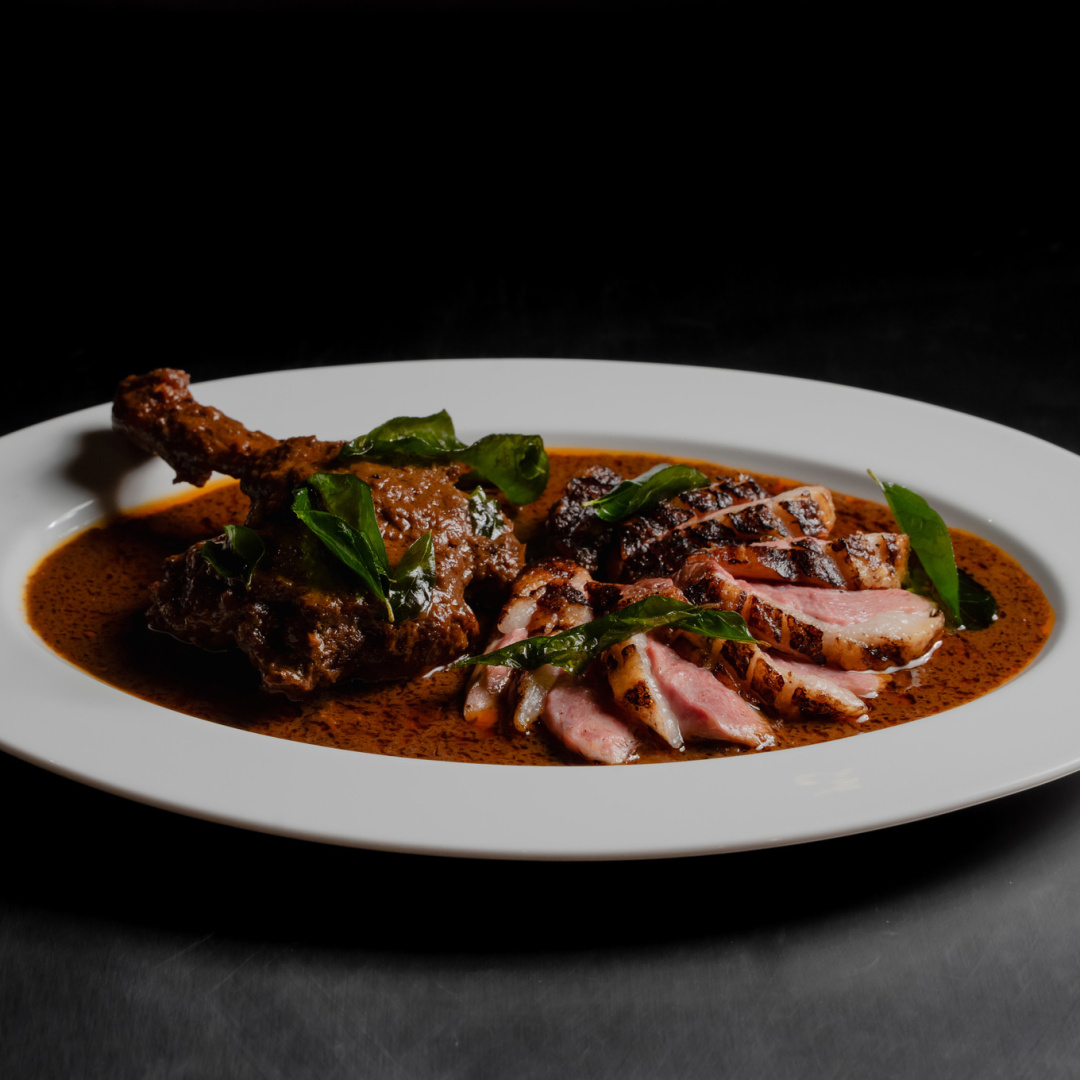
Cheong Yew, co-founder of Three Uncles, emphasizes the importance of quality in roast duck. He explains that good Cantonese roast duck requires meticulous preparation, with the fat beneath the skin needing to render properly to ensure juicy meat. He warns diners to be cautious of rubbery skin and dry meat, which are signs of poor preparation. Emily Tang, owner of Banquet 88, echoes this sentiment, advising that soggy skin may indicate that the duck has been stored improperly or reheated in a microwave.
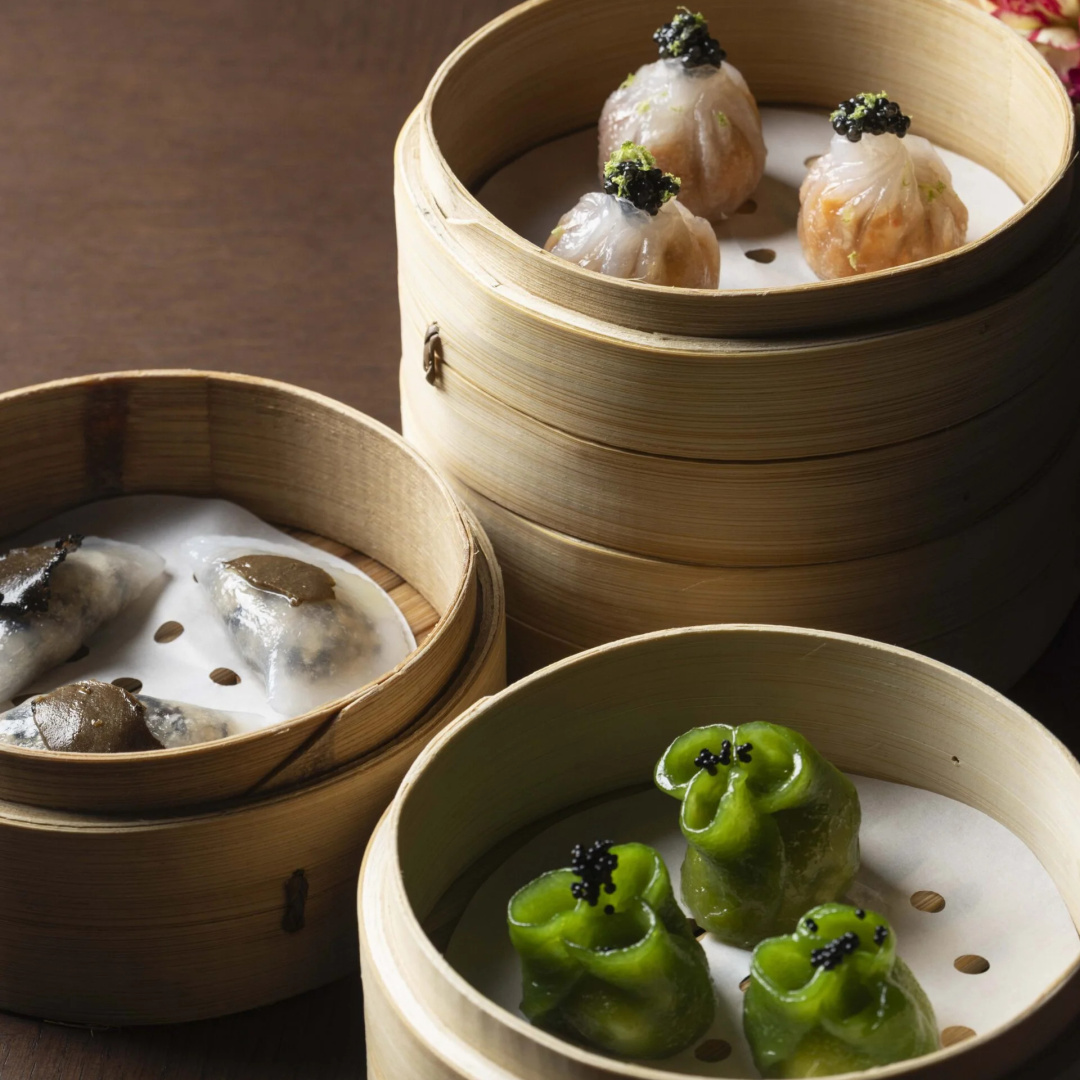
Another dish to approach with caution is the prawn dumpling. Emily highlights that the texture of the filling is crucial; it should be bouncy and juicy, contrasting with the delicate dumpling wrapper. If the prawns are overly minced, it could suggest that the restaurant is cutting corners. Similarly, Uncle Lim stresses the importance of texture in pork and prawn siu mai, where recognizable pieces of prawn should be present rather than a smooth paste.
Sweet and sour chicken, a classic favorite, also comes with its own set of expectations. Emily describes it as a dish that should achieve a balance between sweetness and sourness, with a crisp batter encasing tender chicken. If the sauce is overly sweet or the batter too thick, it may indicate that the dish lacks the care and attention it deserves.
When it comes to dumplings, Emily suggests that diners should research restaurants beforehand. A limited menu with only a few options may signal that the dumplings are not made in-house. In contrast, a restaurant with a diverse selection indicates a skilled team capable of producing a variety of freshly made dim sum.
Should Takes Center Stage
Rice, often overlooked, can reveal a lot about a restaurant's standards. A well-executed fried rice should have separate grains, with evenly distributed ingredients. If it appears greasy or soggy, it reflects poorly on the kitchen's skills.
Uncle Lim warns not to judge char siu solely by its bright red color, which can be misleading. Instead, diners should look for caramelized edges and juicy, tender meat that balances sweetness and savoriness. The same goes for steamed buns; a good bao should have a soft, fluffy dough and a generous filling.
Embracing the Communal Spirit of Chinese Dining
Both chefs emphasize the communal aspect of Chinese dining, where sharing a variety of dishes is common. A large menu can indicate a well-equipped kitchen, but a small kitchen with an extensive menu raises questions about food preparation capabilities. Emily notes that directness in communication is often a hallmark of Chinese hospitality, which can be reassuring for diners seeking authenticity.
Finally, Uncle Lim encourages diners to explore beyond familiar dishes, suggesting traditional homestyle options like Mapo Tofu or Braised Aubergine. These dishes often highlight fresh ingredients and traditional cooking techniques, offering a glimpse into the richness of Chinese culinary culture.